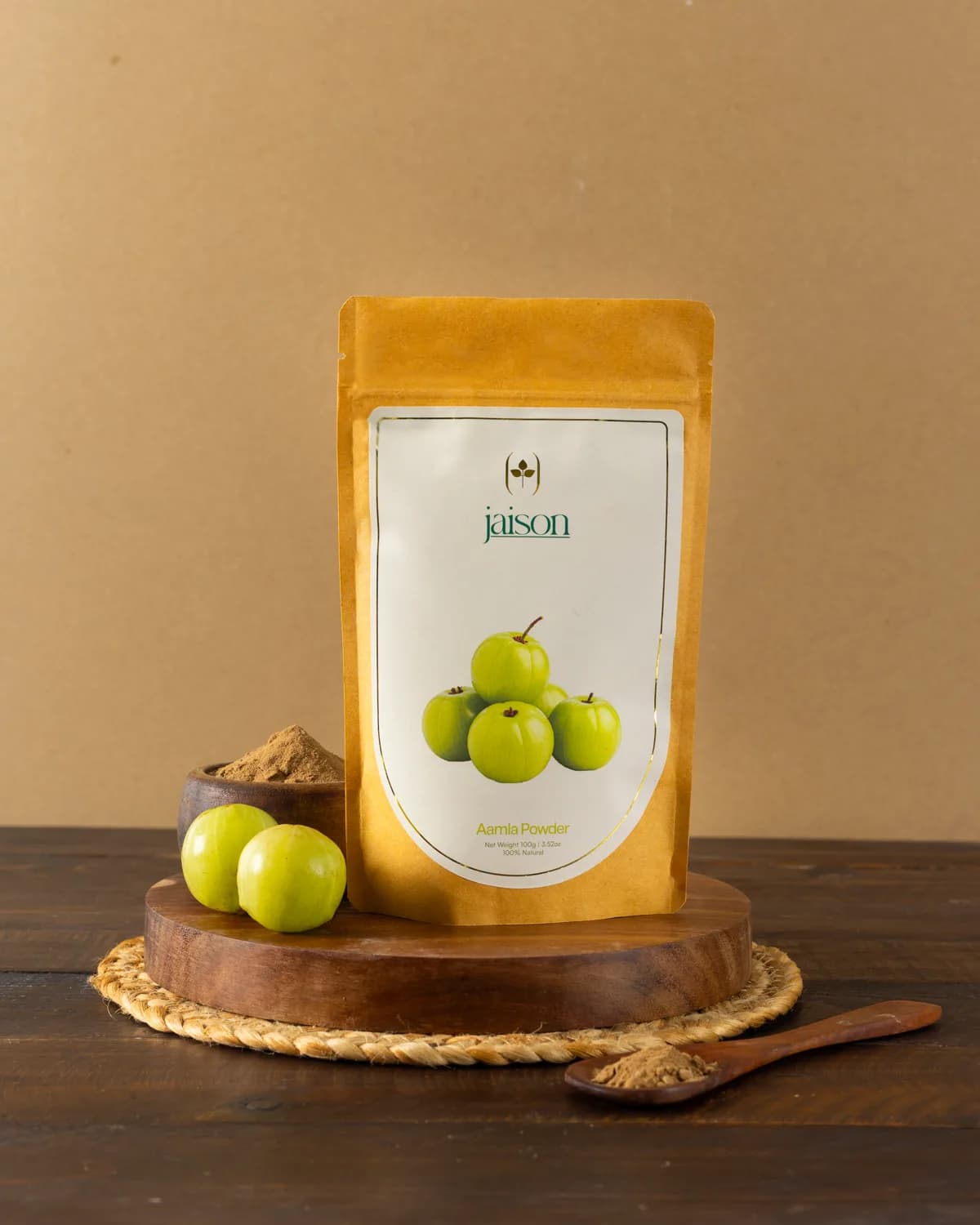
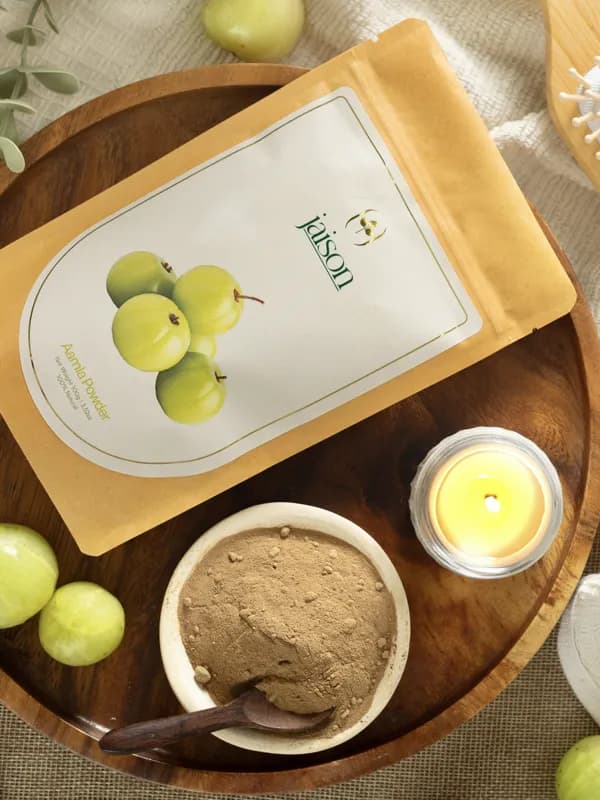
Amla (Indian gooseberry) is one of Ayurveda's most studied hair care ingredients, containing gallic acid, emblicanin A and B, and 20x more Vitamin C than oranges. These compounds strengthen hair follicles, inhibit the enzyme linked to hair loss, slow premature greying, and condition hair naturally. It addresses virtually every hair concern in one ingredient.
Key Takeaways
- ●Gallic acid in amla inhibits 5-alpha-reductase, the same enzyme targeted by clinical hair loss medications (Phytotherapy Research, 2009)
- ●Emblicanin A and B are antioxidants found almost exclusively in amla that protect follicle cells from oxidative stress
- ●Use 2-3 times weekly for reduced hair fall within 3-4 weeks; hair thickness improvements follow at 6-8 weeks
If there's one ingredient that deserves the title of "miracle fruit for hair," it's amla — the Indian gooseberry. Used in Ayurvedic medicine for over 5,000 years, amla is packed with Vitamin C, antioxidants, and essential fatty acids that address almost every hair concern you can think of. From hair fall to premature greying, dandruff to dullness, amla powder is the one natural remedy that truly does it all.
What Makes Amla So Powerful for Hair?
Amla contains nearly 20 times more Vitamin C than an orange. This isn't just a fun fact — Vitamin C is crucial for collagen production, which directly strengthens hair follicles and promotes new growth. Amla also contains iron, calcium, phosphorus, and a unique combination of tannins and flavonoids that protect hair from damage at the cellular level.
5 Key Benefits of Amla Powder for Hair
1. Stimulates Hair Growth and Reduces Hair Fall
Hair fall is the most common hair complaint in India, and amla addresses it at the root — literally. The Vitamin C in amla strengthens hair follicles by boosting collagen production. The iron content improves blood circulation to the scalp, ensuring hair roots receive adequate nutrition.
Regular application of amla powder creates a healthier scalp environment where new hair can grow stronger and thicker.
2. Prevents Premature Greying
Premature greying is caused by the loss of melanin in hair follicles. Amla is one of the few natural ingredients that can slow down and even reverse this process. Its high antioxidant content fights the free radicals responsible for premature ageing of hair cells.
Many people who use amla consistently report that their existing grey hairs develop darker roots over time — a sign that melanin production is being restored.
3. Fights Dandruff and Scalp Infections
Amla's antibacterial and anti-inflammatory properties make it excellent for treating dandruff and scalp infections. It helps balance the scalp's pH level, reducing excess oil production that feeds dandruff-causing fungi.
Unlike harsh anti-dandruff shampoos that strip your scalp, amla works gently — removing flakes while keeping your scalp moisturised and healthy.
4. Adds Natural Shine and Softness
Dull, lifeless hair is often a sign of protein deficiency and environmental damage. Amla's rich protein content and essential fatty acids coat the hair shaft, adding a natural lustre and making hair feel silky smooth.
The flavonoids in amla also protect hair from UV damage and pollution — two major causes of dry, brittle hair in Indian cities.
5. Conditions and Detangles Naturally
Amla acts as a natural conditioner, reducing frizz and making hair more manageable. After regular use, you'll notice your hair is easier to comb through, with fewer tangles and less breakage during styling.
The Science Behind Amla's Hair Benefits
Gallic acid in amla inhibits 5-alpha-reductase, the same enzyme that converts testosterone to DHT, the primary driver of androgenic hair loss. It's the same target as finasteride, the leading clinical hair loss medication. A study in Phytotherapy Research (2009) confirmed that amla extract significantly promoted hair growth compared to a control group, attributed primarily to gallic acid and ellagic acid.
Emblicanin A and B are unique antioxidants found almost exclusively in amla. They protect hair follicle cells from oxidative stress, a key driver of both premature greying and follicle miniaturisation. You won't find this combination in other natural ingredients at the same concentration.
Tannins coat the hair shaft and smooth the cuticle, adding natural shine without silicones. This explains why most people notice an immediate texture improvement after their first amla mask, even before the longer-term benefits kick in.
Iron content in amla supports haemoglobin production and scalp blood circulation. This is particularly relevant in India, where anaemia-related hair loss is widespread among women. Better circulation means better nutrient delivery to every follicle.
Vitamin C in amla is essential for collagen synthesis. Collagen forms the structural scaffold that anchors hair follicles in the scalp. Damage that scaffold and your follicles become unstable. Amla contains roughly 20x more Vitamin C than an orange by weight, making it one of the richest natural sources available.
How to Use Amla Powder for Hair
Amla Hair Mask
- ●Mix 2 tablespoons of amla powder with 5 tablespoons of warm water
- ●Stir until you get a smooth, yoghurt-like consistency
- ●Apply to your hair from roots to tips
- ●Leave for 20-30 minutes
- ●Rinse thoroughly with water
To target scalp circulation alongside follicle nourishment, add 1 tablespoon of Bhringraj powder to this mask — together they address hair fall from both the nutritional and circulatory sides.
Amla Oil Treatment
- ●Mix 2 tablespoons of amla powder with coconut oil
- ●Heat gently until the oil absorbs the amla
- ●Let it cool, then massage into your scalp
- ●Leave overnight for best results
- ●Wash out with a mild shampoo
Amla + Shikakai Hair Wash
For a completely natural hair wash, combine equal parts amla powder and shikakai powder with warm water. This combination cleanses, conditions, and nourishes your hair without any chemicals. For precise ratios and a full washing method, see the Shikakai, Reetha & Amla natural hair wash guide.
How Often to Use Amla Powder
Use amla powder hair masks 2-3 times per week for best results. For the oil treatment, once a week is sufficient. Most people see noticeable improvement in hair texture within 3-4 weeks, with significant reduction in hair fall within 6-8 weeks.
Amla for Your Hair Type: Ayurvedic Approach
Ayurveda's hair type system maps closely to modern trichology categories. Match your hair type to the right amla approach and you'll see results faster.
Vata hair (dry, brittle, frizzy, prone to split ends) needs oil as a base. Mix amla powder with warm coconut oil or sesame oil and add 1 tbsp honey to the mask. Leave for 45 minutes. The oil base counteracts amla's mild astringency and delivers its nutrients without any drying effect.
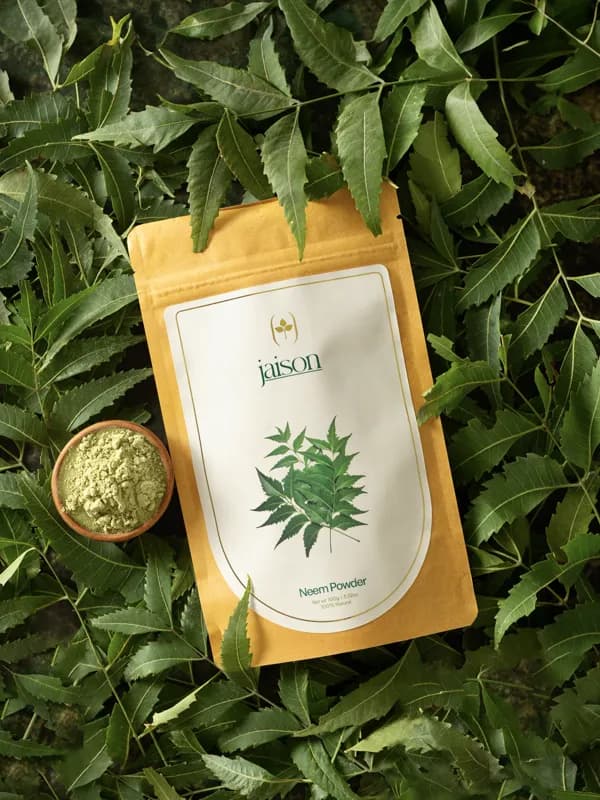
Pitta hair (fine, premature grey, prone to excess fall and scalp sensitivity) is where amla shines most. Mix with aloe vera gel or neem powder. This combination directly targets both the greying and the hair fall that characterise Pitta hair concerns. Don't add heavy oils for Pitta types.
Kapha hair (oily scalp, heavy, prone to dandruff and buildup) should combine amla with shikakai powder as a paste wash. This cuts through excess oil while delivering amla's nutrients. Skip oil-based carriers entirely for Kapha hair.
Using Amla Across Indian Seasons
Summer sun exposure depletes scalp moisture and damages hair proteins. Weekly amla masks during summer restore this damage and protect against UV degradation. Mix with cucumber juice for an extra cooling effect that also soothes a heat-stressed scalp.
Monsoon humidity increases scalp fungal activity and dandruff significantly. Combine amla with neem powder in a 1:1 ratio for a monsoon hair pack that addresses both dandruff and hair fall simultaneously. It's the most effective two-ingredient combination for this season.
Winter cold air dries both hair and scalp, causing flaking and brittleness. Switch to the amla oil treatment in winter, coconut oil infused with amla powder, rather than water-based masks. Leave overnight. The longer contact time in cooler air drives deeper penetration.
Frequently Asked Questions About Amla for Hair
Can amla powder darken my hair colour?
Yes, amla has a mild darkening effect on hair with consistent use. That's a benefit for most people dealing with premature grey or wanting to deepen their natural colour. If you have highlighted or lightened hair and want to preserve that colour, use amla sparingly, once monthly rather than weekly, and monitor the change gradually.
How long does it take to see amla's effects on hair fall?
Most people notice reduced hair fall during washing and combing within 3-4 weeks of consistent use at 2-3 times per week. Visible improvements in hair thickness and density typically appear after 6-8 weeks. Greying reversal is the slowest change: expect 3-4 months of consistent use before seeing colour change at the roots.
Can I mix amla powder directly into my shampoo?
Yes. Add 1 teaspoon of amla powder to your shampoo per wash. It delivers fewer benefits than a dedicated mask because of less contact time, but it's a practical way to add amla to your existing routine. For best results, combine daily shampoo addition with a weekly 30-minute mask.
Will amla smell bad on my hair?
Amla has a mild, slightly tangy herbal scent when wet. It fades completely once your hair dries. If the scent bothers you during washing, add 2-3 drops of rose water or jasmine oil to the mix. The herbal fragrance is significantly milder than commercial anti-dandruff shampoos.
Is amla safe during pregnancy?
Topical use of amla powder for hair care is generally considered safe during pregnancy since it's not ingested in this context. We recommend consulting your doctor before starting any new hair care regimen during pregnancy, as individual sensitivities can vary.
The Natural Path to Healthier Hair
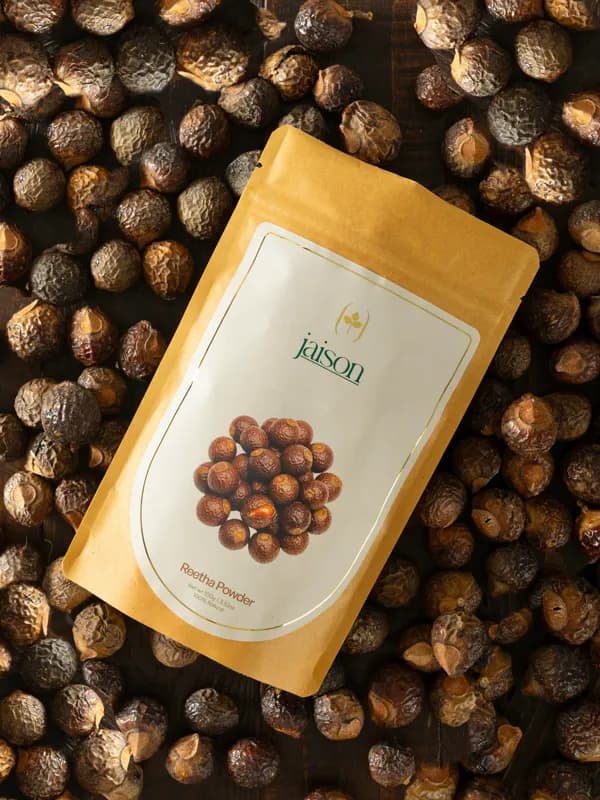
In a world of chemical treatments and salon procedures, amla powder remains one of the most effective, affordable, and safe ways to transform your hair. It's the same ingredient that Indian women have trusted for millennia — and for good reason. Give your hair the nutrition it craves with pure, natural amla powder, and watch the transformation unfold. For the complete chemical-free wash system, pair amla with reetha soapnut powder — together they replace both shampoo and conditioner.
Shop the Ingredients
The herbs from this article, sourced and processed for your ritual.