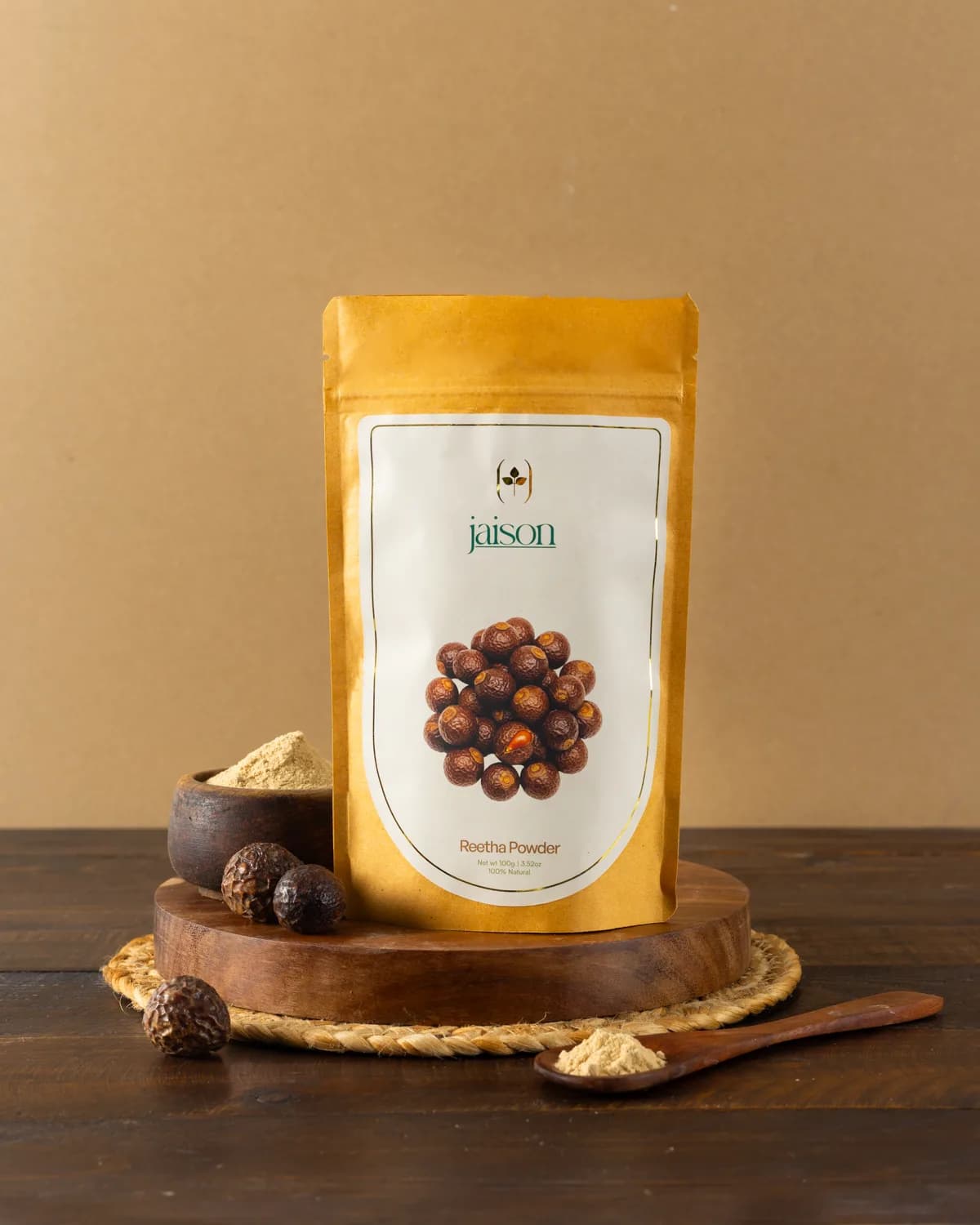
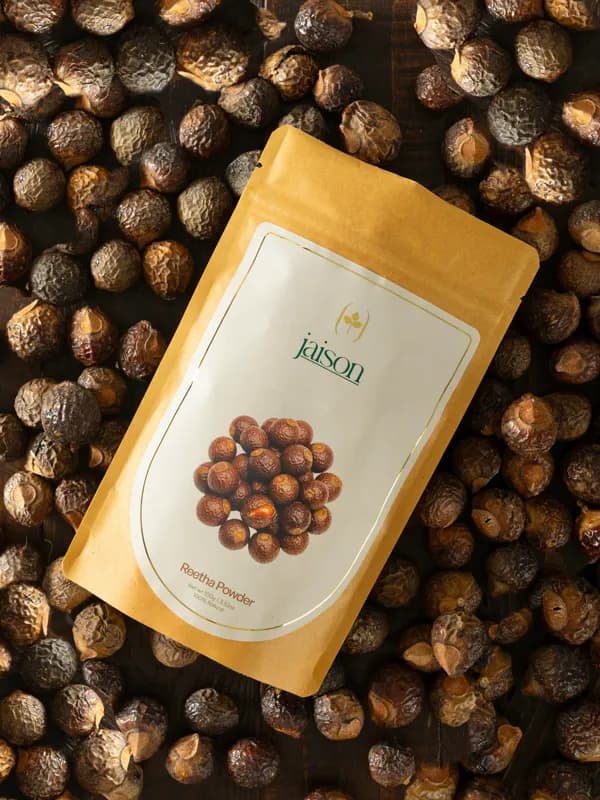
Reetha (Sapindus mukorossi) contains 10-12% saponins — one of the highest concentrations found in any natural source — making it a scientifically validated, chemical-free alternative to synthetic shampoos. Research shows reetha saponins reduce surface tension as effectively as commercial surfactants but without stripping the scalp's protective oil layer. Switching from SLS-based shampoos to reetha eliminates exposure to the top source of scalp irritation for sensitive skin types.
Key Takeaways
- ●Reetha saponins reduce surface tension as effectively as SLS but preserve the scalp's natural lipid barrier, which SLS disrupts
- ●Studies show reetha extract has antifungal activity against Malassezia globosa, the fungus responsible for dandruff in 83% of cases
- ●Most users need 2-3 weeks of adjustment during the transition from chemical to natural cleansing — hair gets better, not worse, after this window
Before shampoo bottles lined supermarket shelves, Indian households had a simple, brilliant solution for clean hair — Reetha, also known as soapnut. This small, unassuming fruit has been used for centuries not just for hair care, but as a natural soap for washing clothes, utensils, and even jewellery. Its secret? Natural saponins — plant-based compounds that create a gentle lather and cleanse without any chemicals.
What Makes Reetha Special?
Reetha fruit shells contain approximately 10-12% saponin content — one of the highest concentrations found in any natural source. These saponins are nature's surfactants: they lower the surface tension of water, allowing it to lift and carry away dirt, oil, and impurities.
But unlike synthetic surfactants like SLS (sodium lauryl sulfate) found in commercial shampoos, reetha's natural saponins are incredibly gentle. They clean thoroughly without stripping your hair's protective natural oil layer.
The Science of Saponins: Why Reetha Works
Reetha's active compounds are triterpenoid saponins — most prominently saponin C, hederagenin, and oleanolic acid derivatives. These amphiphilic molecules (one end attracted to water, the other to oil) work exactly like synthetic surfactants: they lift and emulsify sebum, dirt, and styling product residue so water can carry them away.
What makes them different from SLS is mechanism of action. SLS disrupts the scalp's lipid barrier by dissolving it — this is why scalps overproduce sebum as a compensatory response. Reetha saponins are larger molecules that can't penetrate the lipid barrier the same way. They lift surface-level dirt and excess sebum while the lipid layer itself remains intact.
A 2012 study in the International Journal of PharmTech Research tested Sapindus mukorossi extract against Malassezia furfur and Candida albicans and found significant inhibitory activity — consistent with Reetha's traditional use for dandruff and scalp conditions. The saponins also have mild anti-inflammatory properties that soothe irritated scalp tissue.
The only honest limitation: reetha saponins don't foam the way SLS does, and lather volume is a learned psychological cue for "clean." The absence of foam is adaptation, not a deficiency.
Benefits of Reetha for Hair
Chemical-Free Cleansing
The biggest advantage of reetha is what it doesn't contain — no sulfates, no parabens, no silicones, no artificial fragrances. It cleans your hair purely through the power of natural saponins, making it safe for all hair types including colour-treated and chemically processed hair.
Maintains Natural Oil Balance
Commercial shampoos strip all oils from your hair, forcing your scalp to overcompensate by producing even more oil. Reetha breaks this cycle by cleansing selectively — removing dirt and excess oil while preserving the natural oils your hair needs for moisture and protection.
Natural Conditioner
Unlike shampoo that leaves hair dry and tangled (which is why you need a separate conditioner), reetha leaves hair naturally soft, smooth, and easy to manage. Many users find they don't need a conditioner at all after switching to reetha.
Prevents Hair Fall
The gentle nature of reetha means less mechanical stress on your hair during washing. Combined with its ability to maintain scalp health, reetha significantly reduces hair fall. Many users report a visible reduction in hair fall within the first month of switching.
Fights Dandruff Naturally
Reetha's natural antifungal properties combat Malassezia, the fungus responsible for dandruff. Regular use helps keep your scalp clean, flake-free, and healthy without the harshness of medicated anti-dandruff shampoos.
Safe for Sensitive Scalps
If you have a sensitive scalp that reacts to commercial shampoos with itching, redness, or irritation, reetha is your answer. Its pH-neutral, gentle cleansing action is unlikely to cause any adverse reactions.
How to Use Reetha Powder for Hair
Simple Reetha Hair Wash
- ●3 tablespoons reetha powder
- ●1 cup warm water
- ●Mix well and let it sit for 10 minutes
- ●Apply to wet hair, massage into scalp for 2-3 minutes
- ●Rinse thoroughly with water
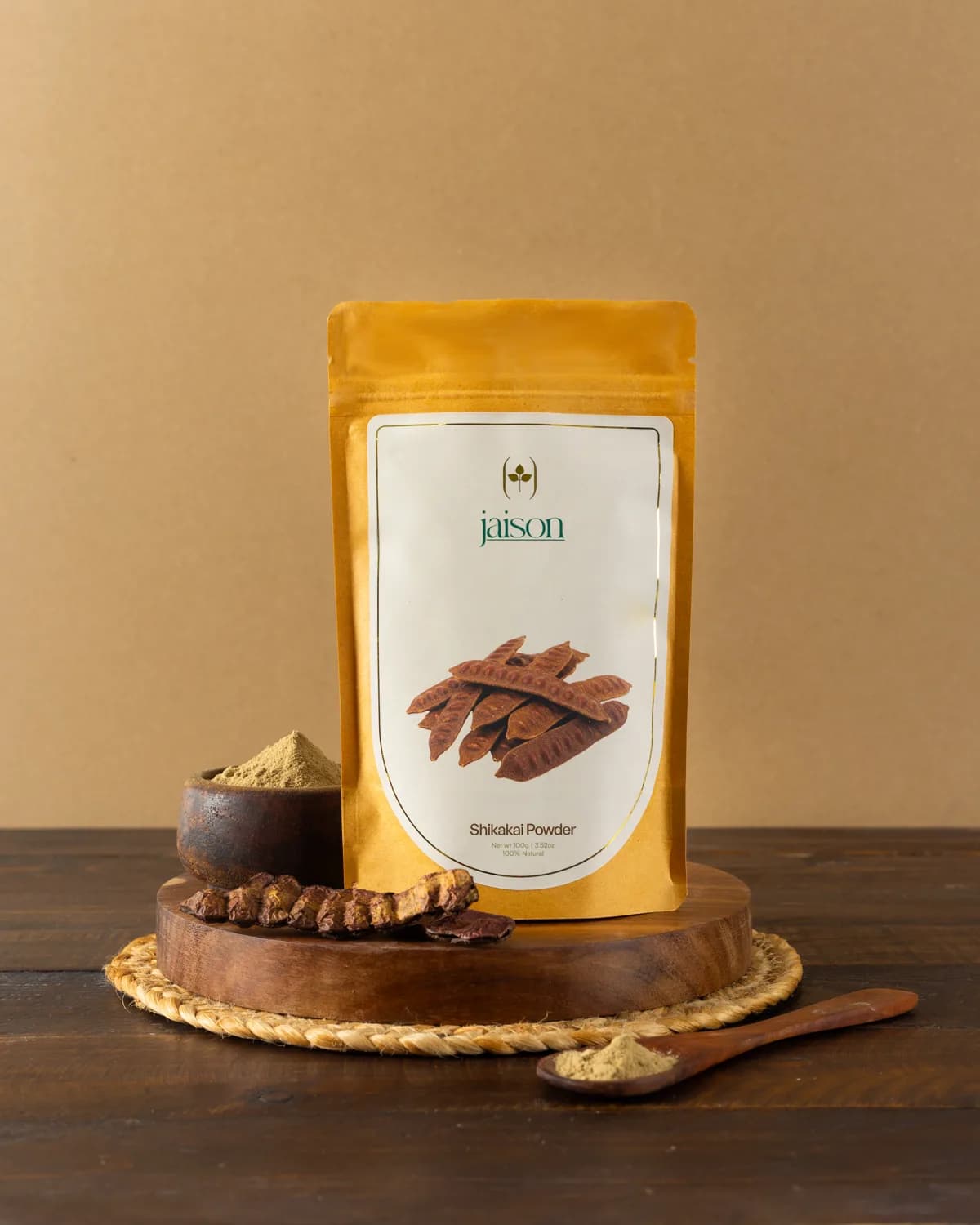
Reetha + Shikakai Cleansing Mix
- ●2 tablespoons reetha powder
- ●2 tablespoons shikakai powder
- ●Warm water to make a paste
This is the classic Ayurvedic hair wash. Shikakai adds extra cleansing power and nutrients. Apply, massage, leave for 5 minutes, rinse.
Reetha + Amla Nourishing Wash
- ●2 tablespoons reetha powder
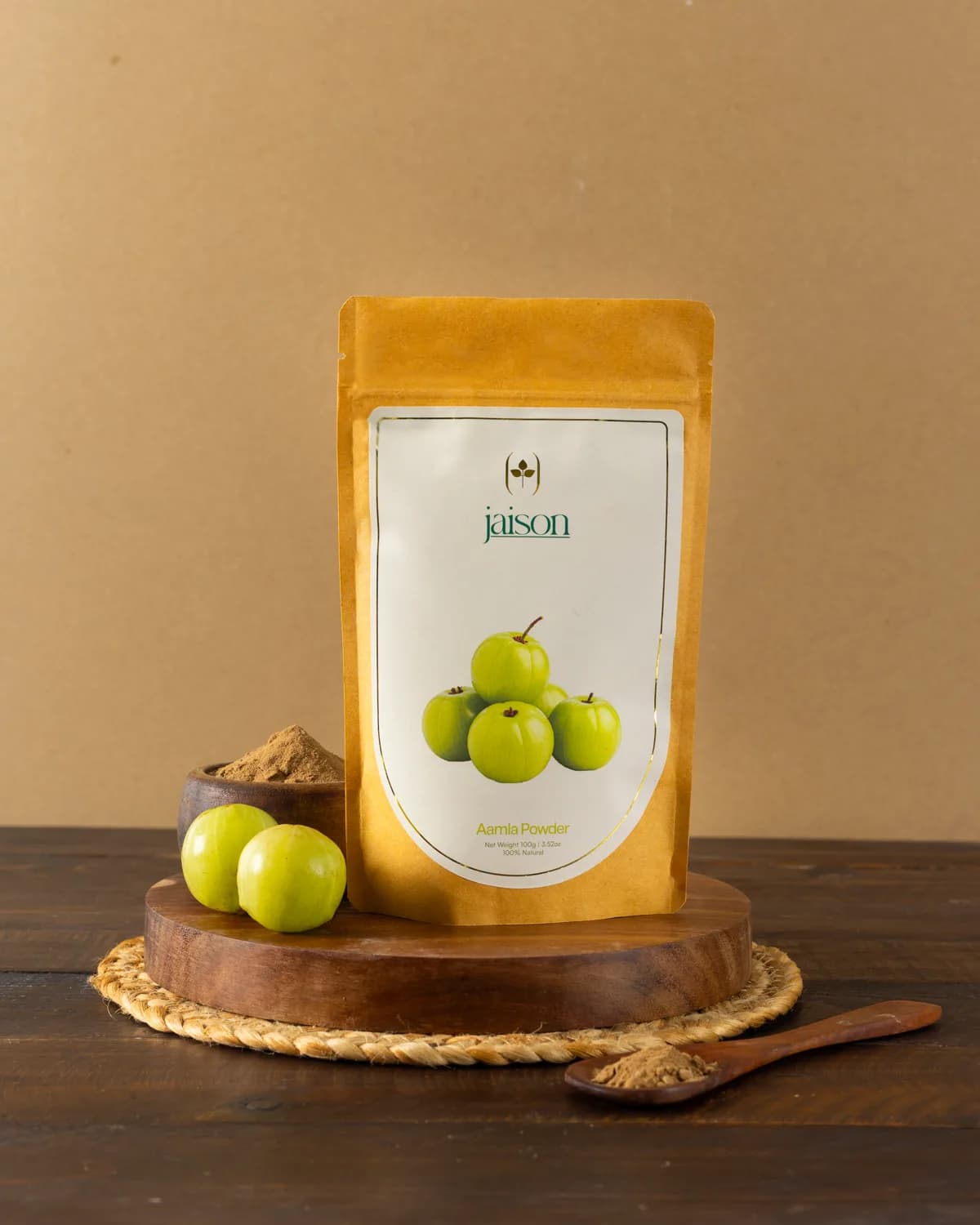
- ●2 tablespoons amla powder
- ●Warm water
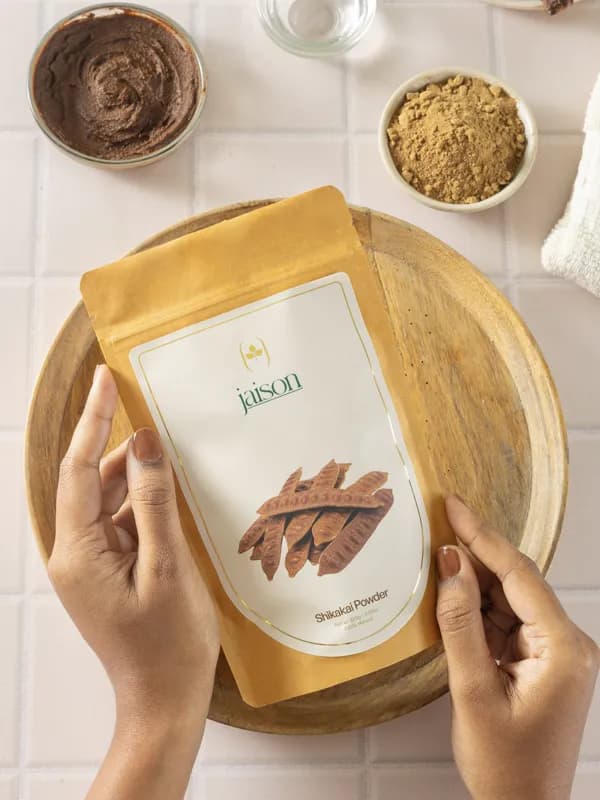
Amla adds conditioning, anti-greying, and hair-strengthening benefits. Perfect for dry or damaged hair. For the most thorough approach, follow the complete Shikakai, Reetha & Amla natural hair wash method.
Reetha Rinse Water
- ●2 tablespoons reetha powder
- ●2 cups warm water
- ●Soak for 2-4 hours or overnight
- ●Strain the liquid
Use this as a final rinse after your regular wash for extra shine and softness.
Tips for Switching to Reetha
- ●Expect a transition period — Your hair and scalp need 2-3 weeks to adjust from chemical shampoo to natural cleansing. During this time, your hair may feel different, but it's rebalancing.
- ●Don't expect heavy lather — Reetha creates a mild, gentle lather. Less lather doesn't mean less cleansing.
- ●Rinse thoroughly — Make sure to wash out all the powder. Any residue can make hair feel gritty.
- ●Use lukewarm water — Hot water can make hair dry. Lukewarm water activates saponins effectively.
- ●Combine with other herbs — Reetha works best as part of the Shikakai-Reetha-Amla trio. Each herb brings complementary benefits.
Reetha Beyond Hair
Fun fact: Reetha is so versatile that it's used as a natural laundry detergent, dish soap, and even a pest repellent in organic farming. It's completely biodegradable and eco-friendly — so by switching to reetha for your hair, you're also making a greener choice for the planet.
Reetha for Your Hair Type: Ayurvedic Approach
In Ayurveda, cleansing is not one-size-fits-all. Different hair types respond differently to reetha, and the herbs you combine it with should match your constitution.
Vata hair (dry, brittle, frizzy, prone to breakage) can find straight reetha mildly drying since it is, by nature, a cleanser. Vata types should always combine reetha with amla powder (1:1 ratio) and consider adding a few drops of sesame oil to the paste before application. The amla adds moisture retention and the oil prevents any dryness during the transition period.
Pitta hair (fine, oily at roots, premature grey, sensitive scalp) responds best to reetha. Pitta scalps tend to overproduce sebum in response to the irritation caused by chemical shampoos. Switching to reetha often dramatically reduces oiliness after a 3-4 week adjustment. Combine with shikakai for extra cleansing and neem powder for scalp cooling.
Kapha hair (thick, heavy, very oily, slow to dry) should use reetha as the primary cleanser with no conditioning additions — no amla, no coconut. Kapha hair often needs the drying effect that Vata hair should avoid. If hair still feels oily after washing, add 1 teaspoon of neem powder to the mix, which will degrease more thoroughly.
Reetha Across Indian Seasons
Pre-summer (March-May): Reduce frequency of oil treatments and increase reetha wash frequency to twice a week. Summer sweat increases scalp buildup and can cause bacterial overgrowth that leads to odour and itching. Reetha handles this better than any commercial clarifying shampoo without the dryness.
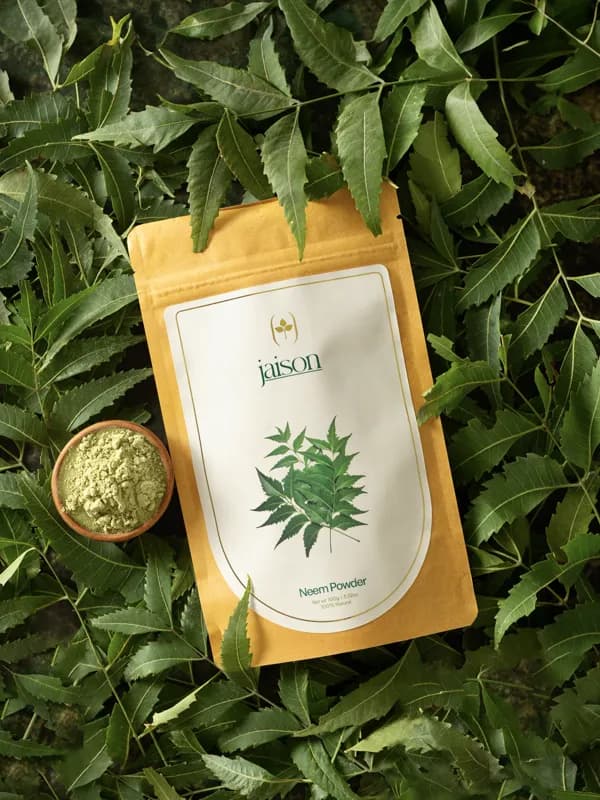
Monsoon (July-September): Monsoon is the highest risk season for fungal scalp conditions. Reetha's antifungal activity becomes most important. Add neem powder to every reetha wash during monsoon — 1 part neem to 3 parts reetha. This combination creates a natural anti-dandruff, anti-fungal wash that outperforms most medicated shampoos.
Winter (November-February): Reduce reetha wash frequency to once a week or every 10 days. Increase oil treatments. Winter air is drier and the scalp needs its natural oils to protect against environmental dryness. When you do wash, combine reetha with amla for added moisture retention.
Frequently Asked Questions About Reetha
Does reetha work for all hair colours, including coloured or chemically treated hair?
Yes, and it's particularly suitable for coloured hair. Most commercial shampoos contain sulfates that strip artificial colour significantly faster. Reetha's gentle cleansing mechanism preserves colour much longer. Many people with chemically coloured hair find their colour lasts 40-50% longer after switching to reetha. For chemically straightened or permed hair, reetha also causes less structural damage over time since it doesn't disrupt protein bonds the way SLS can.
My hair feels waxy or heavy after using reetha. What's wrong?
This is the most common complaint during the first 2-3 weeks of transition and it's normal. Your scalp has been trained by years of strong surfactants to produce excess sebum as protection. When you remove the irritant, there's a lag period before production normalises. The "waxy" feeling is excess sebum that your scalp produced but doesn't need. It resolves on its own. Adding 1 tablespoon of apple cider vinegar to your final rinse water speeds up this adjustment.
Can I use reetha with a scalp condition like psoriasis or eczema?
Reetha is generally safer for these conditions than commercial shampoos because it's free from the preservatives, fragrances, and harsh surfactants that typically trigger flares. However, scalp psoriasis and eczema vary significantly between individuals. The safest approach: do a patch test by applying diluted reetha water to a small area of your scalp and checking for 24 hours before full application. Most people with these conditions find reetha beneficial; a small minority find any plant saponin can occasionally irritate sensitive skin.
Can reetha be used as a full shampoo replacement or just as a supplement?
Full replacement is absolutely possible and is the goal for most people making the switch. Reetha can clean your hair completely — removing dirt, sweat, styling products, and excess oil. For very stubborn product buildup (from silicone-based products especially), you may need 2-3 washes initially to fully remove silicone deposits that reetha won't lift as easily as sulfates. Once those are cleared, reetha handles everything else on its own.
Is reetha safe for babies and young children?
Yes, reetha is one of the gentlest hair cleansers available. It has been used in India for infant hair care for centuries. There are no harsh chemicals, fragrances, or synthetic preservatives. The saponins are natural and biodegradable. The only precaution is the same as with any cleanser: avoid getting the liquid in the eyes, as even natural saponins can cause mild stinging if they reach mucous membranes.
Make the Natural Switch
Reetha represents the simplest, purest form of hair care — a single natural ingredient that cleans, conditions, and protects your hair simultaneously. No complicated ingredient lists, no harsh chemicals, no plastic waste. Just a fruit that nature designed to be the perfect cleanser. Pair your reetha wash with a weekly bhringraj oil treatment to address hair fall and scalp health simultaneously. Your hair — and the planet — will thank you for making the switch.
Shop the Ingredients
The herbs from this article, sourced and processed for your ritual.