An Ayurvedic skincare routine uses natural herbal powders, neem, ubtan, Multani Mitti, orange peel, to cleanse, exfoliate, and nourish skin without synthetic chemicals. Unlike modern multi-step routines with chemical actives, it works with your skin's natural biology: preserving the acid mantle, supporting the microbiome, and delivering nutrients without disrupting the skin barrier.
Key Takeaways
- ●Healthy skin pH is 4.5-5.5; most commercial face washes sit at 6.5-8, disrupting this balance with every use
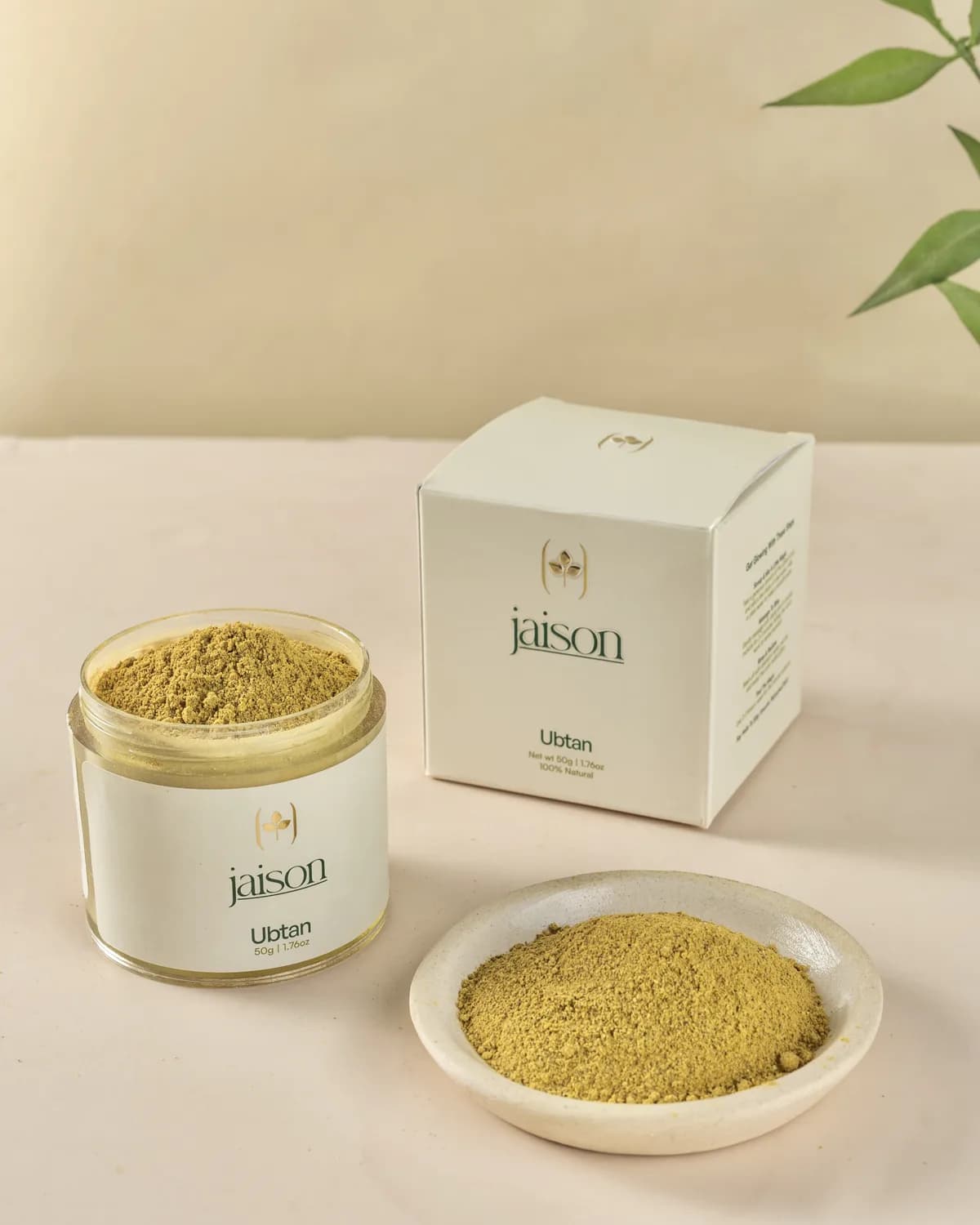
- ●Ubtan's Bakuchi and Kachora deliver antioxidant and brightening compounds without synthetic actives
- ●A 2014 study in the Journal of Investigative Dermatology confirmed SLS-based cleansers disrupt the skin's 1.5 trillion-organism microbiome
If you've been thinking about switching to natural skincare but feel overwhelmed by all the information out there, this guide is for you. Ayurvedic skincare isn't complicated — in fact, it's simpler than most modern routines. It's about working with your skin, not against it, using ingredients that nature has perfected over millions of years.
Why Switch to Ayurvedic Skincare?
Modern skincare products often contain dozens of synthetic ingredients — many of which your skin doesn't need and some that can actually harm it over time. Sulfates strip natural oils, parabens disrupt hormones, and artificial fragrances cause irritation.
Ayurvedic skincare takes the opposite approach: fewer, purer, more effective ingredients. Instead of a 10-step routine with chemical serums and actives, you use a handful of herbal powders that cleanse, nourish, and protect simultaneously.
The results speak for themselves — Indian women have maintained beautiful skin for millennia using these very same ingredients.
Why Herbal Skincare Works: The Science
Skin pH and the acid mantle: Healthy skin has a pH of 4.5-5.5. Most commercial face washes have a pH of 6.5-8, disrupting this balance with every wash and allowing bacteria to proliferate. Herbal powders like neem and shikakai naturally sit at pH 4.5-5.5, perfectly aligned with your skin's protective layer.
The skin microbiome: Research from the Journal of Investigative Dermatology (2014) confirmed that healthy skin hosts a diverse microbiome of beneficial organisms that protect against pathogens. SLS-based cleansers disrupt this ecosystem with every use. Natural herb cleansers don't.
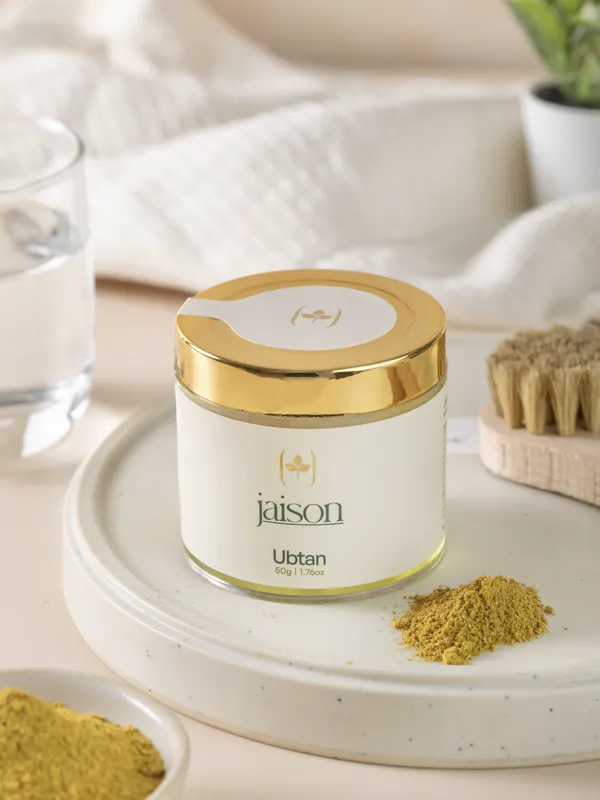
Antioxidant delivery: Orange peel powder's Vitamin C is a direct antioxidant. Neem's nimbin and nimbidin are free radical scavengers. Bakuchi and Kachora, the lead herbs in ubtan, contribute their own antioxidant and anti-inflammatory compounds. Ubtan delivers antioxidants in a form the skin can absorb directly, not through a serum delivery system.
Here's a comparison worth knowing: Retinol (promotes cell turnover) equals bakuchi. Hyaluronic acid (hydration) equals aloe vera. AHAs (exfoliation) equal amla and orange peel citric acid. Benzoyl peroxide (antibacterial) equals neem. The Ayurvedic system had functional equivalents to every modern skincare active, centuries before they were synthesised in a lab.
Understanding Your Skin Type in Ayurveda
Before starting your routine, it helps to know your Ayurvedic skin type:
Vata Skin (Dry): Tends to be thin, dry, and prone to early wrinkles. Needs extra nourishment and hydration. Best ingredients: ubtan, honey, milk.
Pitta Skin (Sensitive/Combination): Prone to redness, inflammation, and breakouts. Needs cooling and soothing care. Best ingredients: neem, rose water, sandalwood.
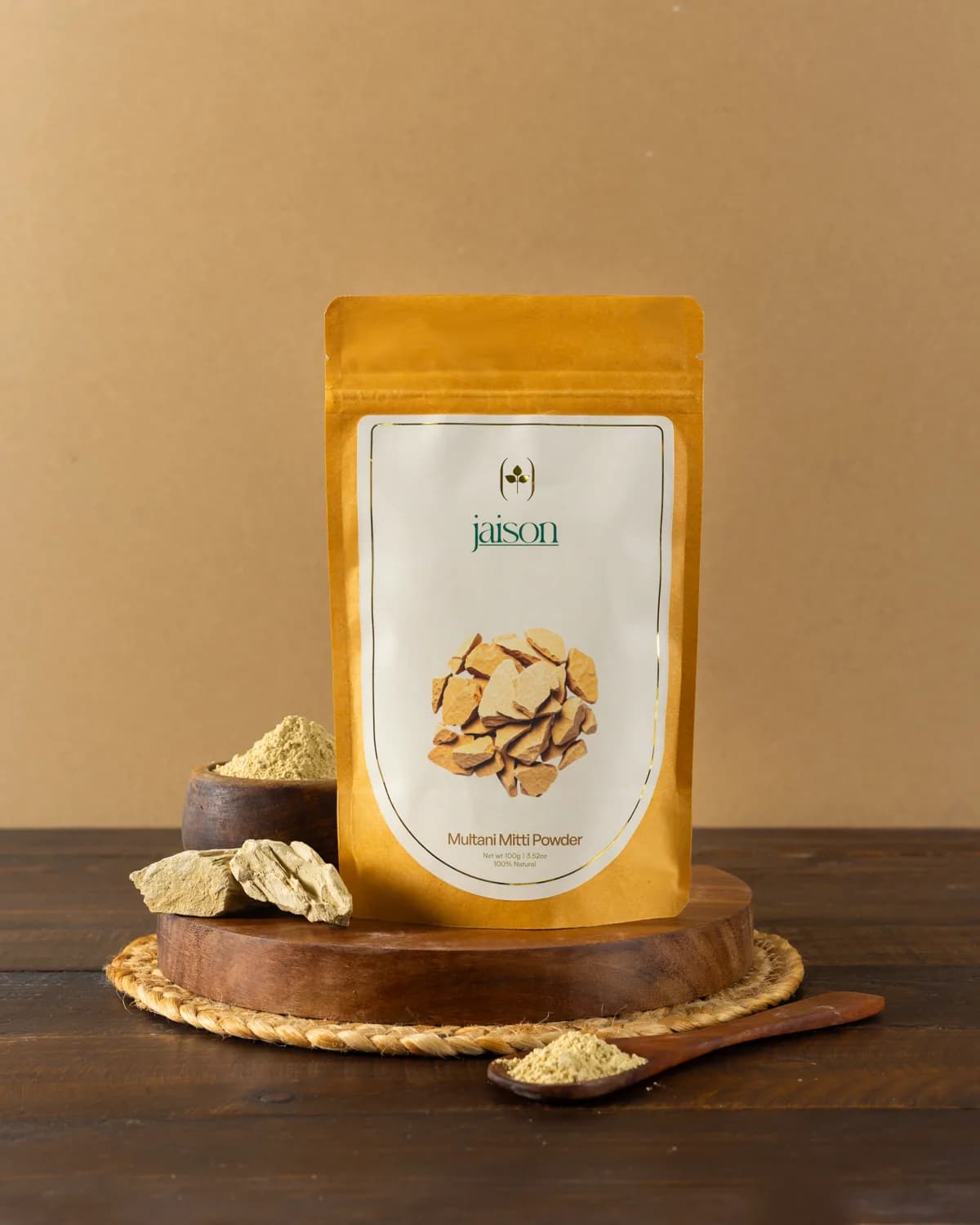
Kapha Skin (Oily): Thick, oily, prone to enlarged pores and blackheads. Needs deep cleansing. Best ingredients: Multani Mitti, lemon, neem.
Most people are a combination of two types. Don't stress about getting this exactly right — the routine below works for everyone, with small adjustments for each type.
The 5-Step Ayurvedic Skincare Routine
Step 1: Cleanse with Herbal Water (Daily, Morning & Night)
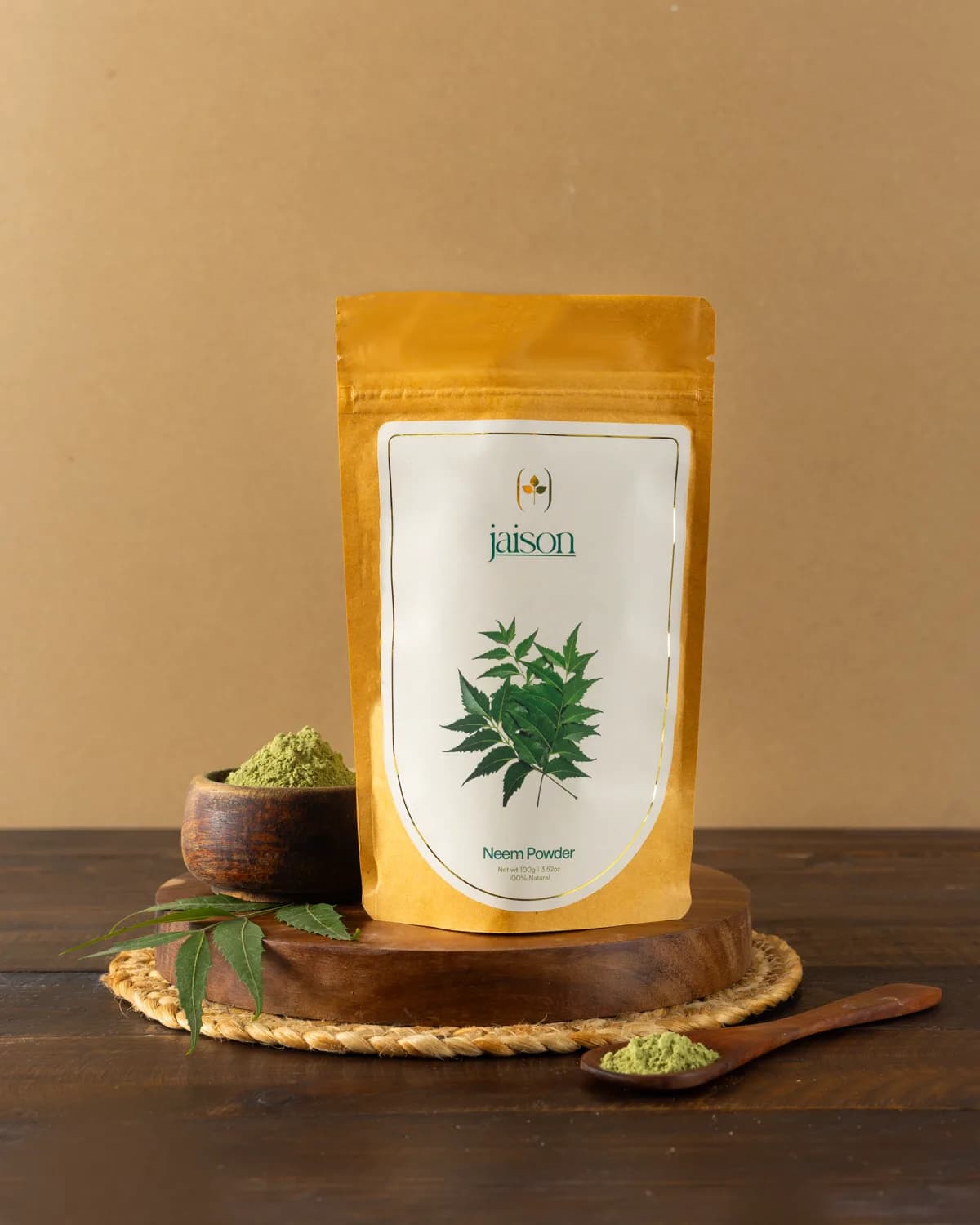
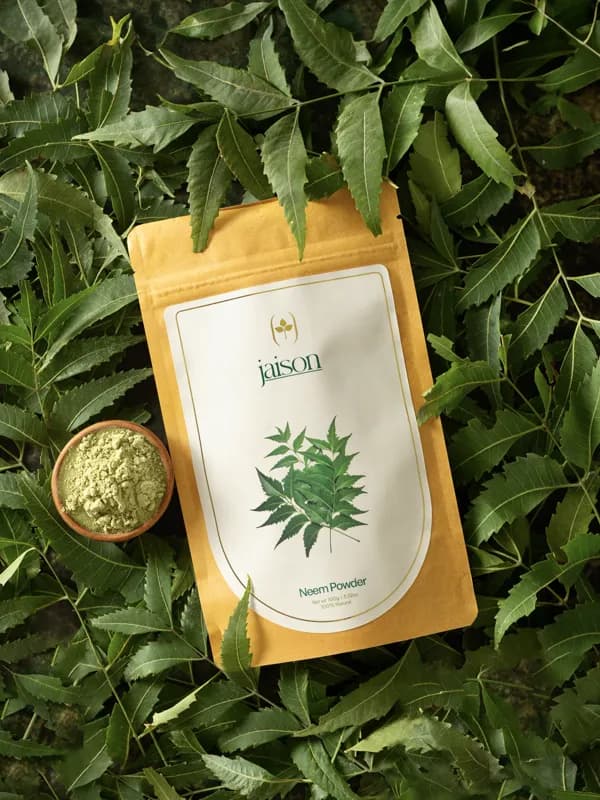
Skip the chemical face wash. Instead, splash your face with water infused with a pinch of neem powder.
How to make it: Add ½ teaspoon of neem powder to a glass of warm water. Let it cool to room temperature. Use this to wash your face.
Why it works: Neem water cleanses gently while providing antibacterial protection. It removes surface dirt without stripping your skin's natural oil barrier.
Step 2: Exfoliate with Orange Peel Powder (2-3 Times Per Week)
Dead skin cells accumulate daily, making your skin look dull and clogging pores.
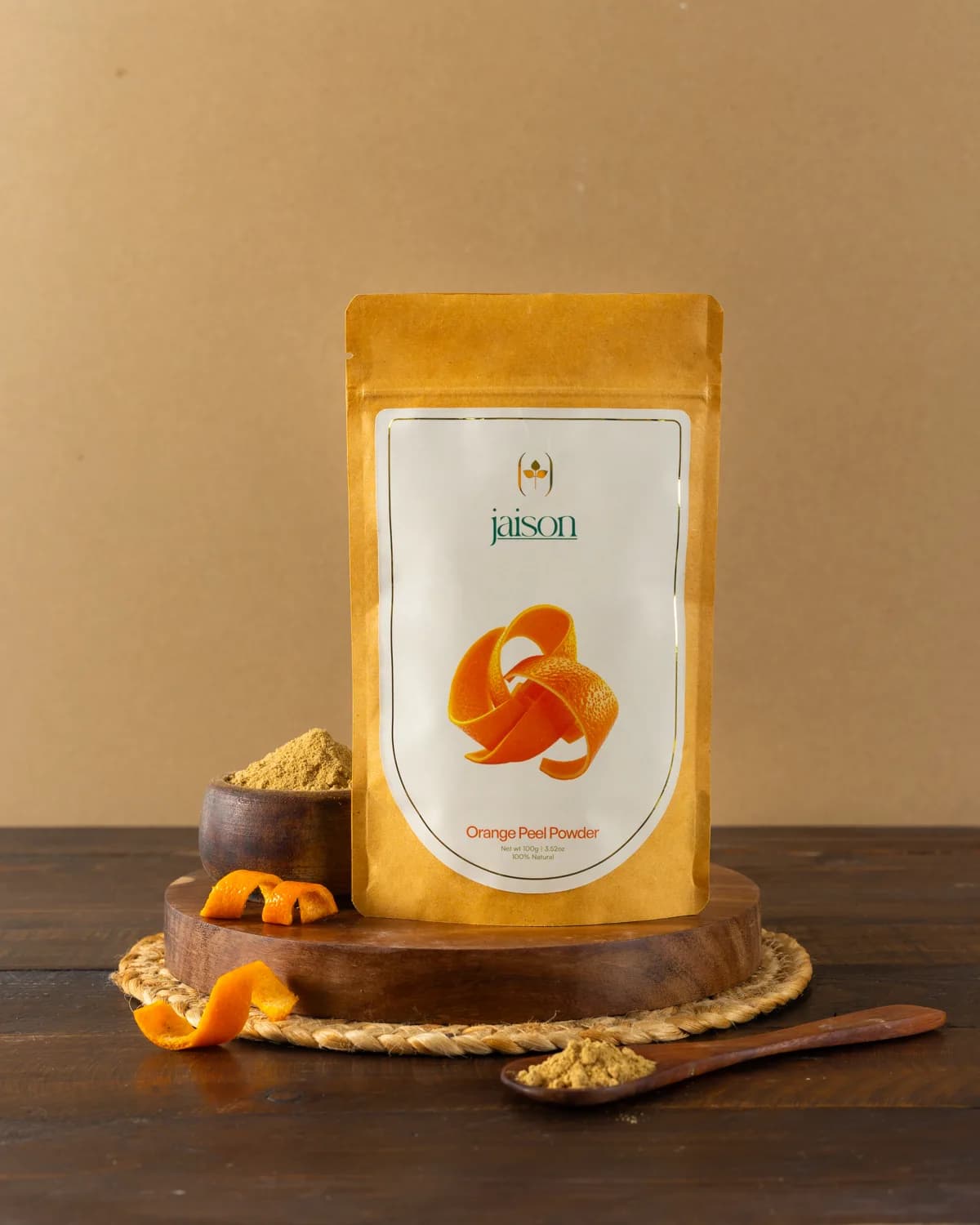
How to use: Mix 1 tablespoon of orange peel powder with a little yoghurt or honey. Massage gently onto damp skin in circular motions for 1-2 minutes. Rinse.
Why it works: Orange peel powder contains natural Vitamin C and citric acid that exfoliate gently while brightening skin. The fine texture polishes without scratching.
Step 3: Apply a Weekly Face Pack (1-2 Times Per Week)
This is the core of Ayurvedic skincare — the face pack. Choose based on your skin type:
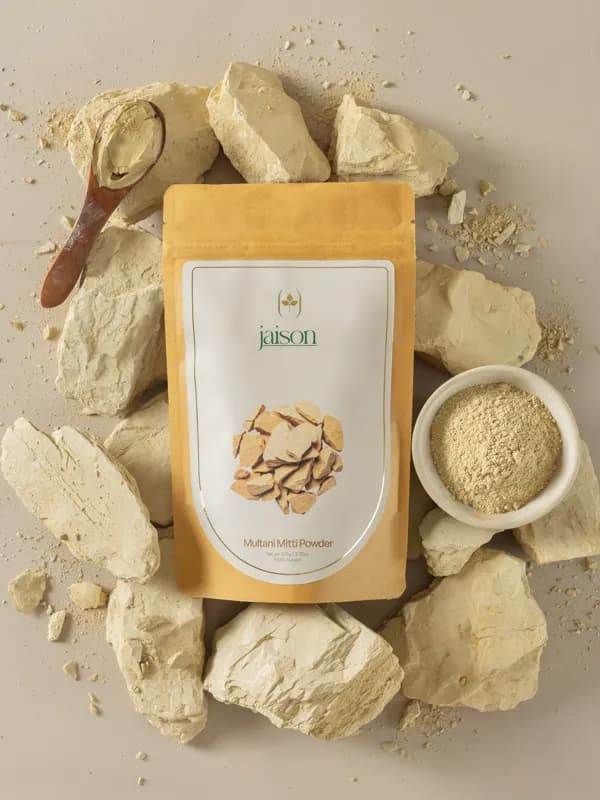
For oily skin: Multani Mitti + rose water. Absorbs excess oil, tightens pores, and leaves skin matte and fresh.
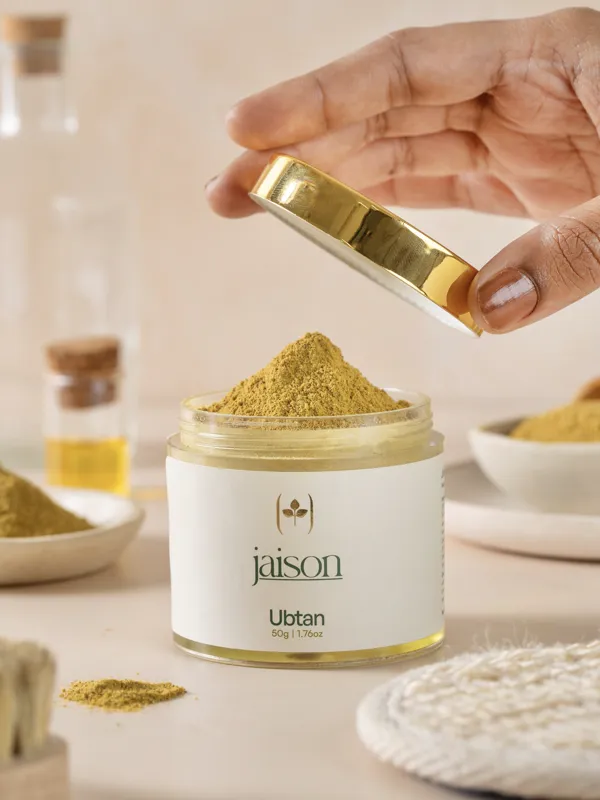
For dry skin: Ubtan powder + milk + honey. Nourishes deeply while gently exfoliating for a dewy glow.
For acne-prone skin: Neem powder + Multani Mitti + rose water. Fights bacteria while deep-cleaning pores.
For dull skin: Ubtan powder + rose water. The Kachora and Nagarmotha in ubtan brighten and revive tired-looking skin — see the full ubtan guide for glowing skin for recipe variations and timing.
Apply the pack, leave for 15 minutes, scrub gently while removing, and rinse with cool water.
Step 4: Tone with Rose Water (Daily, After Cleansing)
Rose water is the unsung hero of Ayurvedic skincare. It:
- ●Balances skin pH after cleansing
- ●Tightens pores naturally
- ●Provides mild hydration
- ●Soothes any irritation
- ●Smells incredible
Spritz pure rose water on your face after cleansing or removing a face pack. Let it air dry.
Step 5: Moisturise Naturally (Daily)
For the most Ayurvedic approach, use natural oils as moisturiser:
- ●Coconut oil — Light, suitable for most skin types
- ●Almond oil — Rich, perfect for dry skin
- ●Jojoba oil — Closest to natural sebum, great for oily skin
Apply just 2-3 drops to damp skin. A little goes a long way.
Weekly Schedule at a Glance
Common Mistakes to Avoid
1. Doing too much too fast — Start with just cleansing and one face pack per week. Gradually add steps as your skin adjusts. 2. Expecting overnight results — Natural skincare works gradually. Give it 3-4 weeks before judging. 3. Skipping patch tests — Even natural ingredients can cause reactions. Always test first. 4. Mixing too many ingredients — Keep your face packs simple. 2-3 ingredients is enough. 5. Inconsistency — The #1 reason natural skincare "doesn't work" is inconsistency. Commit to your routine.
Adapting Your Routine by Season: Ayurvedic Ritucharya
Ritucharya is Ayurveda's seasonal lifestyle framework. Applied to skincare, it means adjusting your routine with the seasons rather than following one fixed regimen year-round. This is one of the most practical and underused pieces of Ayurvedic wisdom.
Grishma (Summer, May-July): Skin is oiliest and most prone to tan and heat rashes. Daily neem wash. Orange peel exfoliation 3x weekly. Multani Mitti pack 2x weekly. Rose water toning twice daily. Always apply SPF 30+ before going outdoors.
Varsha (Monsoon, July-September): Humidity increases fungal activity and breakouts. Add neem to every step. Reduce heavy oil moisturisers. Weekly ubtan with yogurt for deep cleansing. This is the season to be most consistent with your routine.
Hemanta and Shishira (Winter, November-February): Skin loses moisture rapidly. Drop exfoliation to once weekly. Switch Multani Mitti pack to ubtan with milk. Increase oil moisturisation: sesame oil for Vata types, coconut for Pitta, jojoba for Kapha.
Vasanta (Spring, March-April): Transition period. Gradually reintroduce exfoliation. Orange peel 2x weekly. Lighten your moisturiser from winter weight. This is an ideal time to start the routine if you're new to it.
Frequently Asked Questions About Ayurvedic Skincare
How long before I see results from an Ayurvedic skincare routine?
Natural skincare works on your skin's natural renewal cycle, approximately 28 days for adults. Most people see reduced oiliness and fewer breakouts within 2 weeks. Skin brightness and texture improvements typically appear after 4-6 weeks. Significant changes to dark spots or acne scarring take 8-12 weeks of consistent daily practice.
Do I need to buy all products at once?
No. Start with just two: neem powder for cleansing and Multani Mitti or ubtan for weekly masking. These two alone cover Steps 1, 3, and 4 of the 5-step routine. Add orange peel powder in week 2. Add a natural oil in week 3. Building gradually lets your skin adjust and helps you identify what works best for you.
Can I combine Ayurvedic skincare with my existing products like SPF and moisturiser?
Yes. Ayurvedic skincare is additive. Replace your face wash and periodic masks with herbal alternatives while keeping your SPF and any prescription treatments you're using. SPF is essential regardless of your skincare approach. Many people successfully combine a herbal cleansing routine with a modern mineral sunscreen and retinoid prescription.
I have active acne. Is this routine safe to start?
Yes, with modifications. Start with neem-based cleansing only (Step 1) and neem spot treatment. Avoid exfoliation (Step 2) until active breakouts heal since physical exfoliation on open acne can spread bacteria. Introduce orange peel exfoliation once your acne has calmed. The neem pack alone is safe for active acne skin.
Can children use this routine?
Children's skin is more sensitive, but herbal powders are generally gentle enough for ages 10+. Use a simplified version: neem water cleansing and a weekly light ubtan or Multani Mitti pack diluted with extra milk or rose water. Avoid lemon juice recipes for younger skin. Always patch test first.
Start Your Journey Today
Ayurvedic skincare isn't about perfection — it's about consistency and simplicity. You don't need a cabinet full of products. A few pure herbal powders and natural ingredients are all you need to achieve healthy, glowing skin the way nature intended.
Start simple, be patient, and let the herbs do what they've been doing for thousands of years. Your skin already knows how to be beautiful — it just needs the right support.
Shop the Ingredients
The herbs from this article, sourced and processed for your ritual.