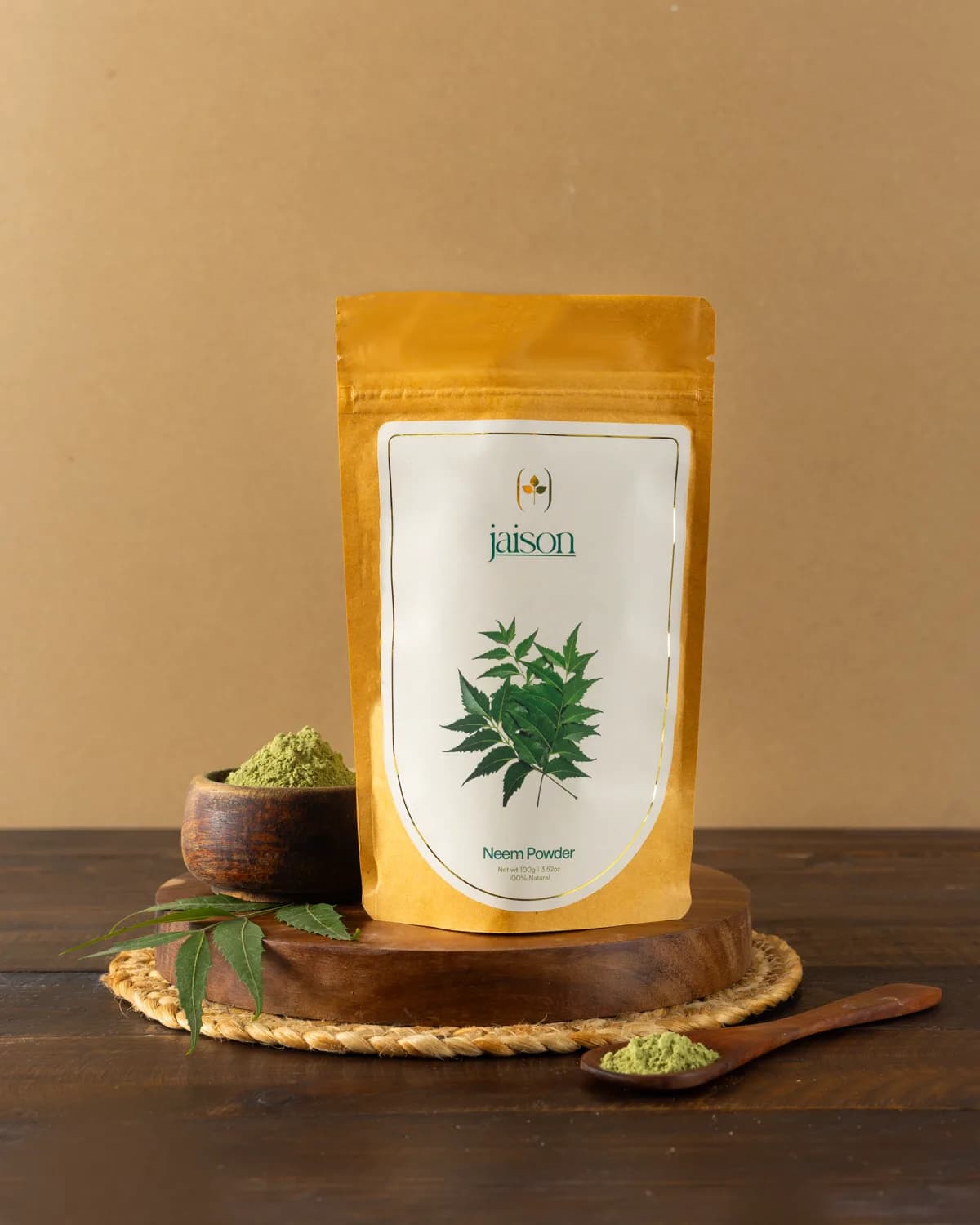
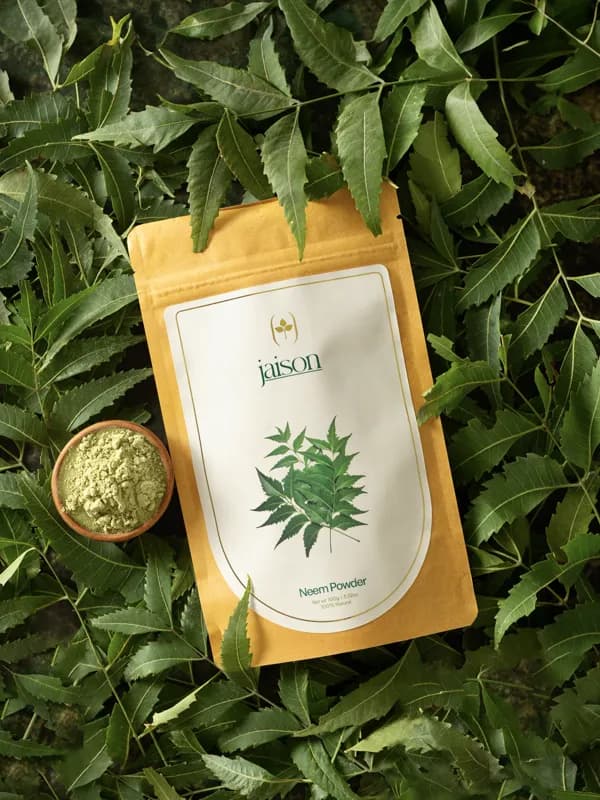
Neem powder contains nimbidin, nimbin, and gedunin, bioactive compounds proven to kill acne-causing Propionibacterium acnes bacteria without developing resistance. Unlike topical antibiotics, neem addresses all three causes of acne simultaneously: bacteria, excess oil, and inflammation. It's one of the most complete natural acne treatments in Ayurveda, and modern research keeps confirming why.
Key Takeaways
- ●Nimbidin inhibited P. acnes growth at lower concentrations than common OTC antibiotic gels in Journal of Applied Microbiology research
- ●Gedunin provides anti-inflammatory effects comparable to ibuprofen at the cellular level (Parasitology Research, 2011)
- ●Unlike benzoyl peroxide, neem causes no photosensitivity, skin peeling, or fabric bleaching
Acne affects over 80% of people at some point in their lives, and the search for an effective solution often leads to harsh chemical treatments that can do more harm than good. But what if the answer has been growing in Indian backyards for centuries?
Neem — often called the "village pharmacy" in India — is one of the most powerful natural antibacterial agents known to science. And when it comes to fighting acne, few ingredients can match its effectiveness.
Why Neem Works Against Acne
Acne is primarily caused by three factors: excess oil production, clogged pores, and bacteria (specifically Propionibacterium acnes). Neem addresses all three:
Antibacterial action — Neem contains nimbidin and nimbin, compounds that are proven to kill acne-causing bacteria without disrupting the skin's natural microbiome. Unlike chemical antibiotics, bacteria don't develop resistance to neem.
Anti-inflammatory properties — The redness and swelling around pimples is inflammation. Neem's anti-inflammatory compounds reduce this quickly, making existing acne look and feel less angry.
Oil regulation — Neem helps balance sebum production without over-drying, preventing the oil build-up that leads to clogged pores and breakouts.
Scar healing — Neem promotes new cell growth and has mild astringent properties that help fade acne scars and prevent new marks from forming.
The Science Behind Neem's Anti-Acne Action
Nimbidin is neem's primary antibacterial compound. Research published in the Journal of Applied Microbiology showed it inhibited P. acnes growth at concentrations significantly lower than common OTC antibiotic gels, without promoting bacterial resistance. That last point matters: unlike clinical antibiotics, bacteria don't develop workarounds against neem's multi-compound approach.
Gedunin is a limonoid compound with anti-inflammatory properties comparable to ibuprofen at the cellular level, according to a 2011 study in Parasitology Research. It reduces the redness and swelling of active pimples directly, not just masking them.
Nimbolide suppresses NF-kB, the protein complex that controls inflammatory cytokine production. It's the same pathway targeted by many prescription anti-inflammatory medications, but without systemic side effects.
Unlike benzoyl peroxide and salicylic acid, the most common OTC acne treatments, neem doesn't cause photosensitivity, skin peeling, fabric bleaching, or disruption of the skin's natural microbiome. It's slower to show results (2-3 weeks vs. 3-7 days for benzoyl peroxide), but the mechanism is safer.
Neem extract also showed antifungal efficacy against Malassezia furfur in lab studies, the fungus responsible for fungal acne (pityrosporum folliculitis), which is frequently misdiagnosed as bacterial acne and doesn't respond to antibacterial treatments. If your acne doesn't respond to anything, this could be why.
How to Use Neem Powder for Acne
Daily Neem Face Pack
Ingredients: 2 tbsp neem powder + rose water (to make paste)
Apply to clean skin, leave for 10-15 minutes, rinse with cool water. Use daily or every other day for active acne.
Neem + Multani Mitti Deep Cleanse Pack
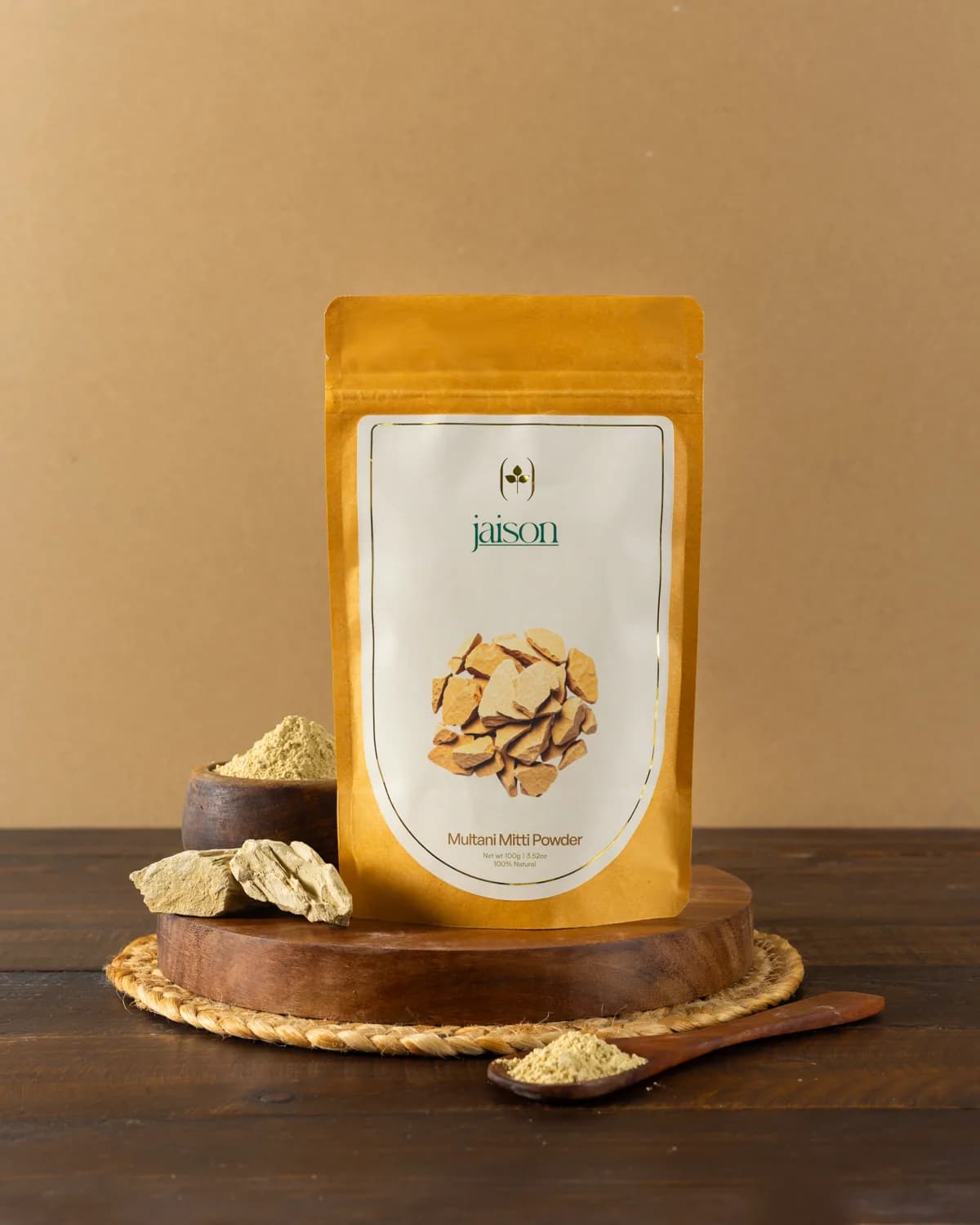
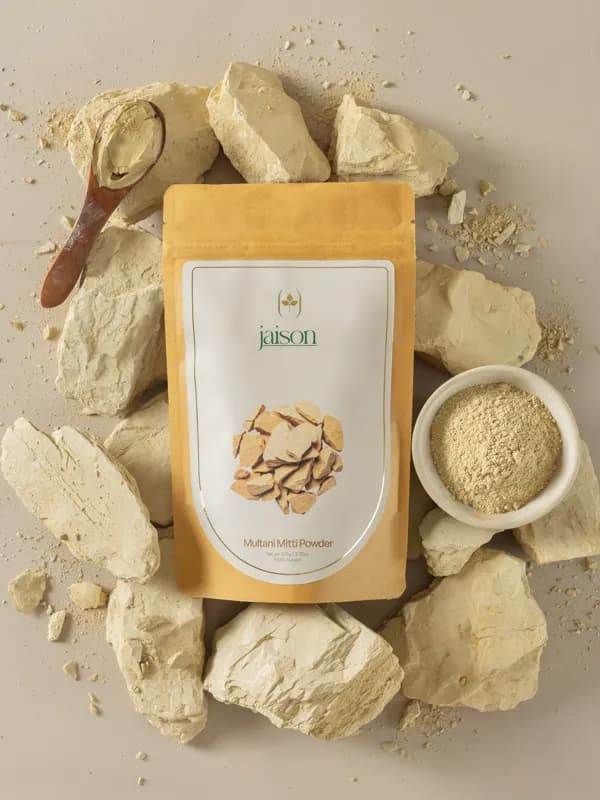
Ingredients: 1 tbsp neem powder + 1 tbsp Multani Mitti + rose water
This combination is extremely effective for oily, acne-prone skin. The Multani Mitti absorbs excess oil and unclogs pores while neem kills bacteria. Use 2-3 times a week.
Neem Spot Treatment
Ingredients: 1 tsp neem powder + a few drops of water
Make a thick paste and apply directly on individual pimples before bed. Leave overnight. The concentrated neem works on the pimple while you sleep.
Neem + Honey Soothing Pack (For Sensitive Acne-Prone Skin)
Ingredients: 2 tbsp neem powder + 1 tbsp honey + warm water
Honey is antibacterial too, and its humectant properties prevent the neem from drying out sensitive skin. This is the gentlest option for those with acne and sensitivity.
Neem + Yogurt Pack (For Acne Scars)
Ingredients: 2 tbsp neem powder + 2 tbsp yogurt
Yoghurt contains lactic acid, a natural AHA that gently exfoliates and fades acne scars. Combined with neem's healing properties, this pack is excellent for post-acne marks.
A Complete Neem-Based Anti-Acne Routine
Morning: 1. Wash face with plain water 2. Apply a thin layer of neem paste mixed with rose water 3. Leave for 5 minutes, rinse 4. Moisturise with a light, non-comedogenic moisturiser
Evening: 1. Cleanse face to remove dirt and pollution 2. Apply neem spot treatment on active pimples 3. Let it dry and leave overnight
Twice a week:
- ●Use the Neem + Multani Mitti deep cleanse pack for a thorough pore-clearing treatment
For scalp care: Neem addresses dandruff with the same antibacterial action it uses on acne. When applying neem to the scalp, follow with amla powder to condition follicles and restore strength — neem clears scalp buildup while amla nourishes the roots.
What Results to Expect
- ●Week 1: Reduced redness and inflammation. Existing pimples start healing faster.
- ●Week 2-3: Fewer new breakouts. Skin starts looking clearer and more even.
- ●Week 4-6: Significant improvement in overall skin clarity. Acne scars begin to fade.
- ●Month 2-3: Clear, healthy skin with occasional minor breakouts that heal quickly.
Important Tips
- ●Patch test first — Apply a small amount on your inner wrist and wait 24 hours before using on your face.
- ●Don't overdo it — More is not better. Stick to the recommended frequency.
- ●Stay hydrated — Drink plenty of water. Internal hydration supports external healing.
- ●Be patient — Natural remedies work gradually but deliver lasting results without side effects.
- ●Avoid touching your face — This transfers bacteria and can worsen acne.
Neem for Your Acne Type: Ayurvedic Approach
Not all acne is the same, and the right neem approach depends on which Ayurvedic type you're dealing with.
Vata acne (dry, small, painful under-skin bumps or cystic nodules, often on jawline and cheeks) responds best to neem plus honey paste, applied gently for only 10 minutes. Honey provides antibacterial moisture. Avoid lemon-based recipes entirely since the dryness genuinely worsens Vata acne.
Pitta acne (inflamed, red, pustular, hot to touch, classic whiteheads and papules, often on forehead and nose) needs cooling. Neem plus aloe vera gel plus rose water is the ideal combination. These cooling ingredients balance Pitta heat while neem addresses the bacteria. Never use lemon on Pitta skin.
Kapha acne (large, slow-healing, oily surface, blackheads and cystic deep breakouts on cheeks and chin) can handle the strongest combination. Neem plus Multani Mitti plus a few drops of lemon juice works hard without irritating Kapha's typically thicker, more resilient skin. For the full range of Multani Mitti face pack recipes for oily skin, pair them with your neem routine.
Adjusting Neem Use Across Seasons
Summer is when daily use makes sense. Daily diluted neem face wash (half a teaspoon in a glass of water) is appropriate when sweating and oil production are highest. The morning application protects against daytime bacterial exposure. Use the full neem pack 2-3 times per week.
Monsoon is peak season for fungal acne, which looks identical to regular acne but doesn't respond to antibacterial treatments. Neem is effective against both bacterial and fungal acne, making it uniquely valuable in the monsoon months. Add turmeric to your neem recipes during this season for additional antibacterial coverage.
Winter calls for restraint. Cold weather reduces bacterial acne but can trigger dry, sensitive flare-ups. Switch to neem plus honey only in winter. Reduce frequency to once daily maximum. Avoid neem spot treatment on already dry, cracked skin since it can be too drying.
Frequently Asked Questions About Neem for Acne
How is neem different from chemical acne treatments like benzoyl peroxide?
Benzoyl peroxide kills acne bacteria effectively but causes significant side effects: skin peeling, redness, photosensitivity, fabric bleaching, and long-term microbiome disruption. Neem kills the same bacteria without these effects. It's slower acting (2-3 weeks vs. 3-7 days) but delivers lasting results without damaging the skin barrier or creating antibiotic resistance.
Can neem help with hormonal acne?
Neem directly treats the bacterial and inflammatory component of hormonal acne. It can't address the hormonal root cause. But since hormonal fluctuations create excess sebum where bacteria thrive, neem's oil regulation and antibacterial action reduces the severity and duration of hormonal breakouts even when it can't prevent the initial trigger.
My skin turned slightly green after applying neem paste. Is it safe?
Completely normal. Neem powder's natural green-yellow pigment temporarily tints the skin, which fades within minutes of rinsing. Rinse with cool water and the colour disappears. It confirms you're using pure, unadulterated neem powder.
Can I use neem on back and body acne?
Yes. Body acne often responds even better to neem than facial acne because body skin is thicker and less sensitive. Mix neem powder with neem oil and apply to affected areas. You can also add neem powder to your bathing water by filling a muslin bag with neem powder and hanging it under the running water.
How do I know if my acne is fungal vs bacterial?
Fungal acne (pityrosporum folliculitis) typically appears as uniform small bumps on the forehead, chest, and back. It doesn't come to a head like bacterial acne. The good news: neem is effective against both, since its gedunin and nimbolide compounds have documented antifungal activity. Use neem the same way for both types. If breakouts don't respond after 4 weeks, consult a dermatologist.
The Natural Choice for Clear Skin
In a market flooded with chemical acne treatments — benzoyl peroxide, salicylic acid, retinoids — neem stands out as a time-tested alternative that works without the side effects. It doesn't burn your skin, doesn't cause peeling, and doesn't make you photosensitive. It simply works, the way nature intended.
Your skin has an incredible ability to heal itself when given the right tools. Neem powder is one of the most powerful natural tools available — use it as the cleansing backbone of a 5-step Ayurvedic skincare routine for compounding results. Trust the wisdom of Ayurveda, be consistent with your routine, and watch your skin transform.
Shop the Ingredients
The herbs from this article, sourced and processed for your ritual.