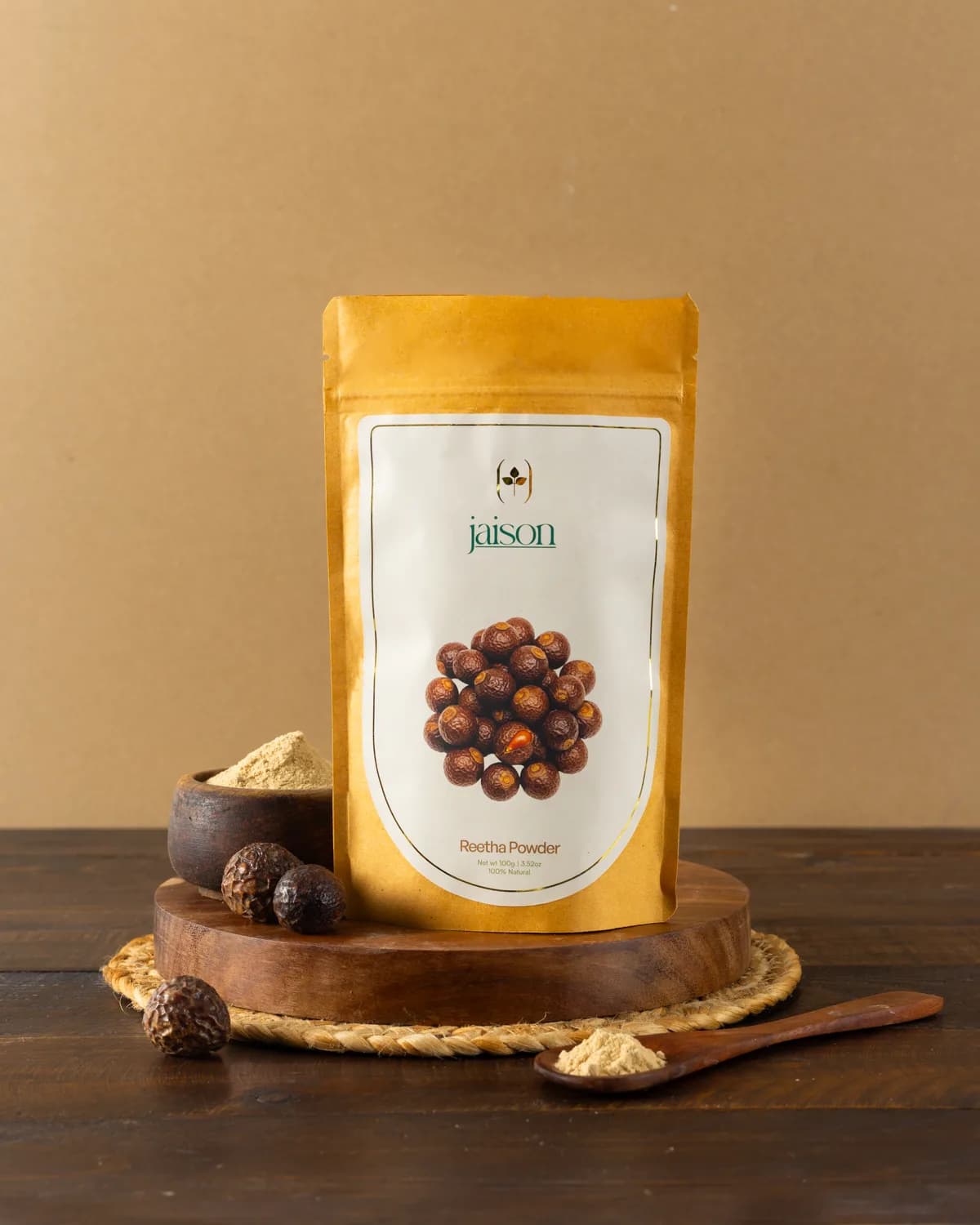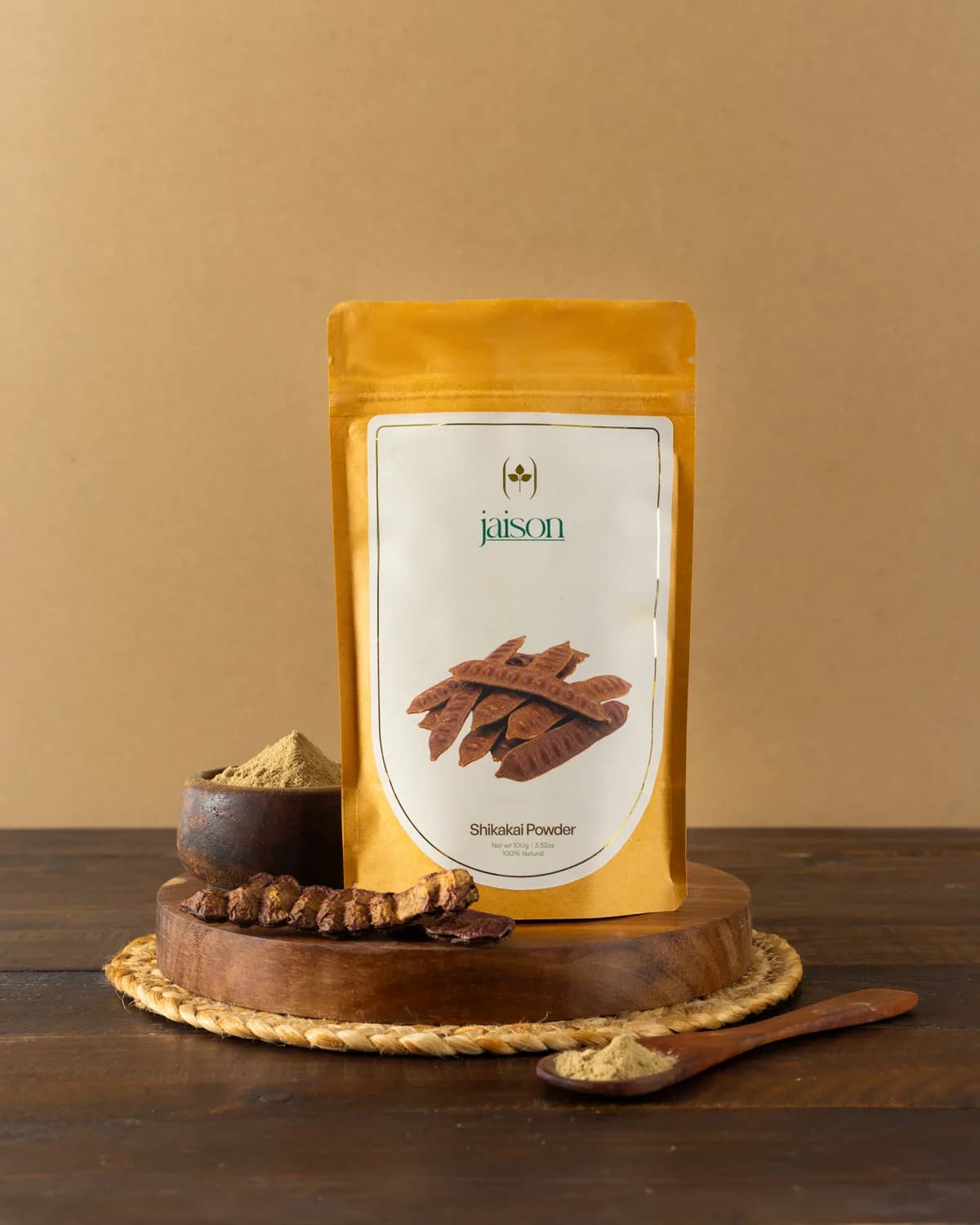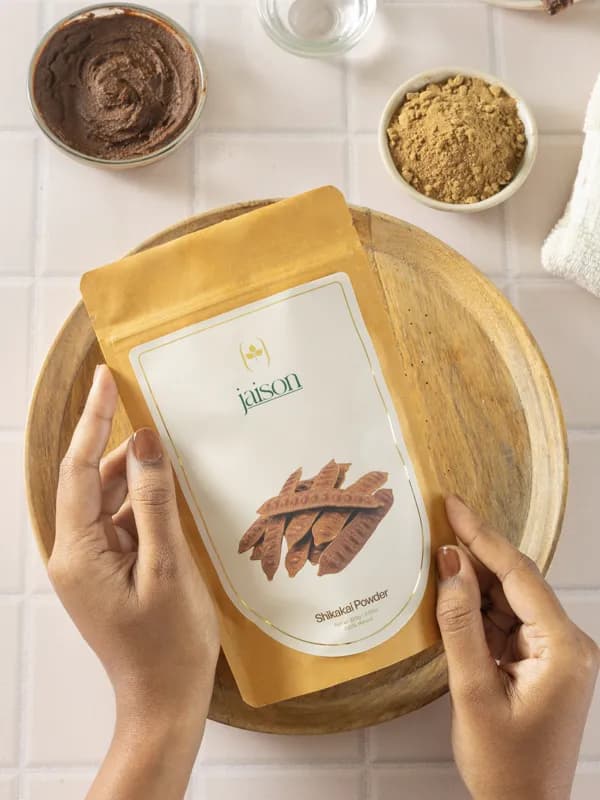
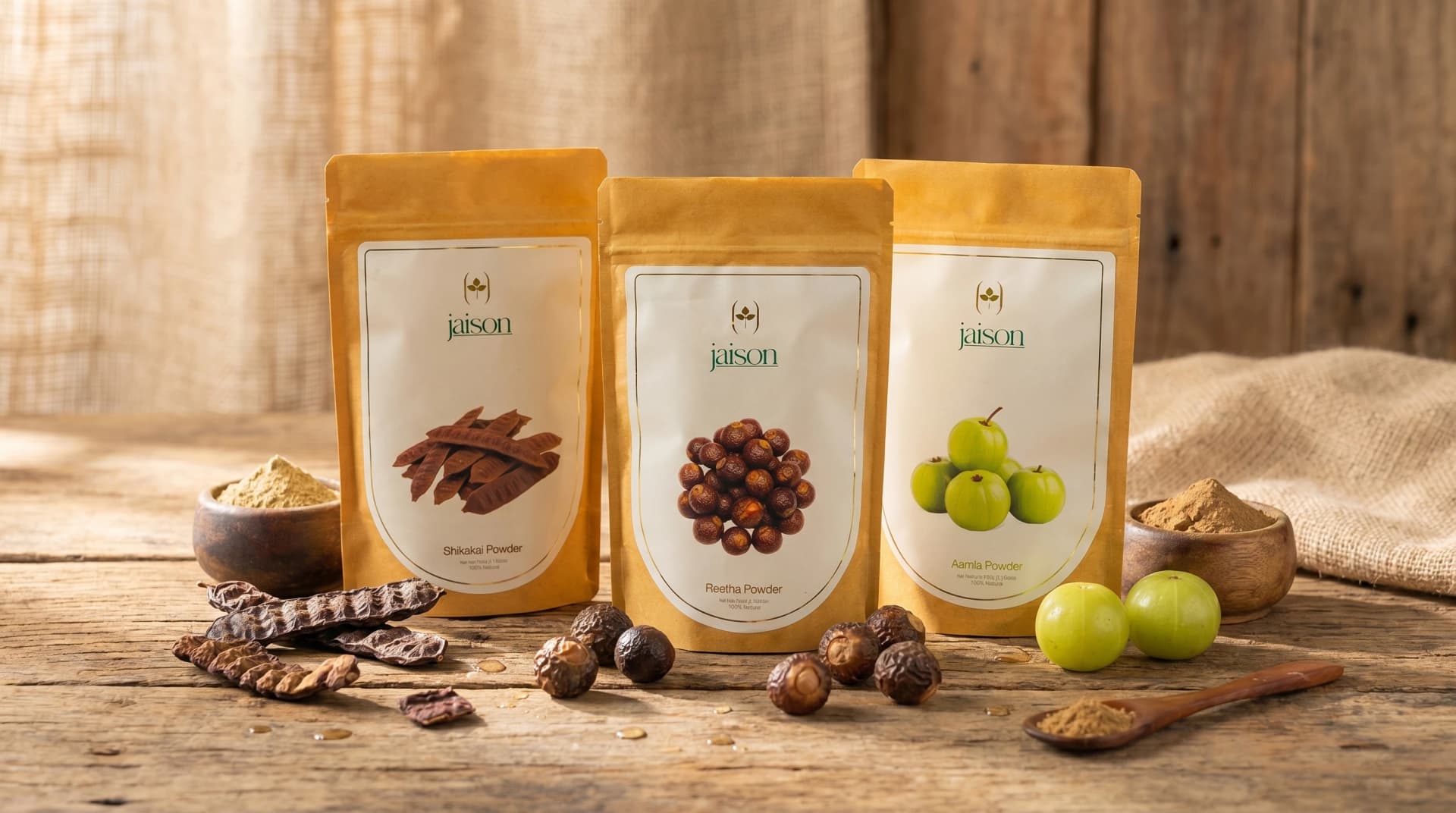
Reetha produces more lather than shikakai. Both are natural hair cleansers that contain saponins, but reetha foams into a soft, light lather while shikakai produces very little and cleans through gentle, mildly acidic action. Here is how to choose between them, or use both.
Key Takeaways
- ●Reetha (soapnut) lathers more; shikakai lathers little
- ●Little lather does not mean little cleansing
- ●Together with amla they form the classic Ayurvedic hair wash
- ●Both are sulphate-free and suit regular use
Reetha vs Shikakai at a Glance
- ●Lather: reetha gives more, soft and light. Shikakai gives very little.
- ●Cleansing: reetha is strong but gentle and removes dirt and excess oil. Shikakai is gentle and does not strip natural moisture.
- ●Feel on hair: reetha leaves hair soft and shiny. Shikakai leaves it smooth and easier to detangle.
- ●Best for: reetha suits an oily scalp and a shampoo-like wash. Shikakai suits dry or frizzy hair and gentle cleansing.
- ●Leave on for: reetha 45 minutes to an hour. Shikakai about 10 minutes.
Why Reetha Lathers More
Reetha shells are rich in saponins, natural surfactants that foam when mixed with water. That is why soapnut has been used to wash silk, wool and jewellery as well as hair. Shikakai also contains saponins, but it produces much less foam. It is mildly acidic, which keeps the wash hair-friendly.
Does Lather Mean Cleaner Hair?
No. We associate foam with clean because commercial shampoos add foaming agents like SLS. Natural washes cleanse without heavy foam. Expect a mild lather from reetha and almost none from shikakai, and judge by how your scalp and hair feel afterwards.
Which Should You Choose?
Choose reetha if you want something closer to a shampoo, or have an oily scalp. Reetha powder gives a gentle lather and a fresh feel.
Choose shikakai if your hair is dry, frizzy or tangles easily and you want a softer, conditioning wash. Shikakai powder is gentle and works well once or twice a week.
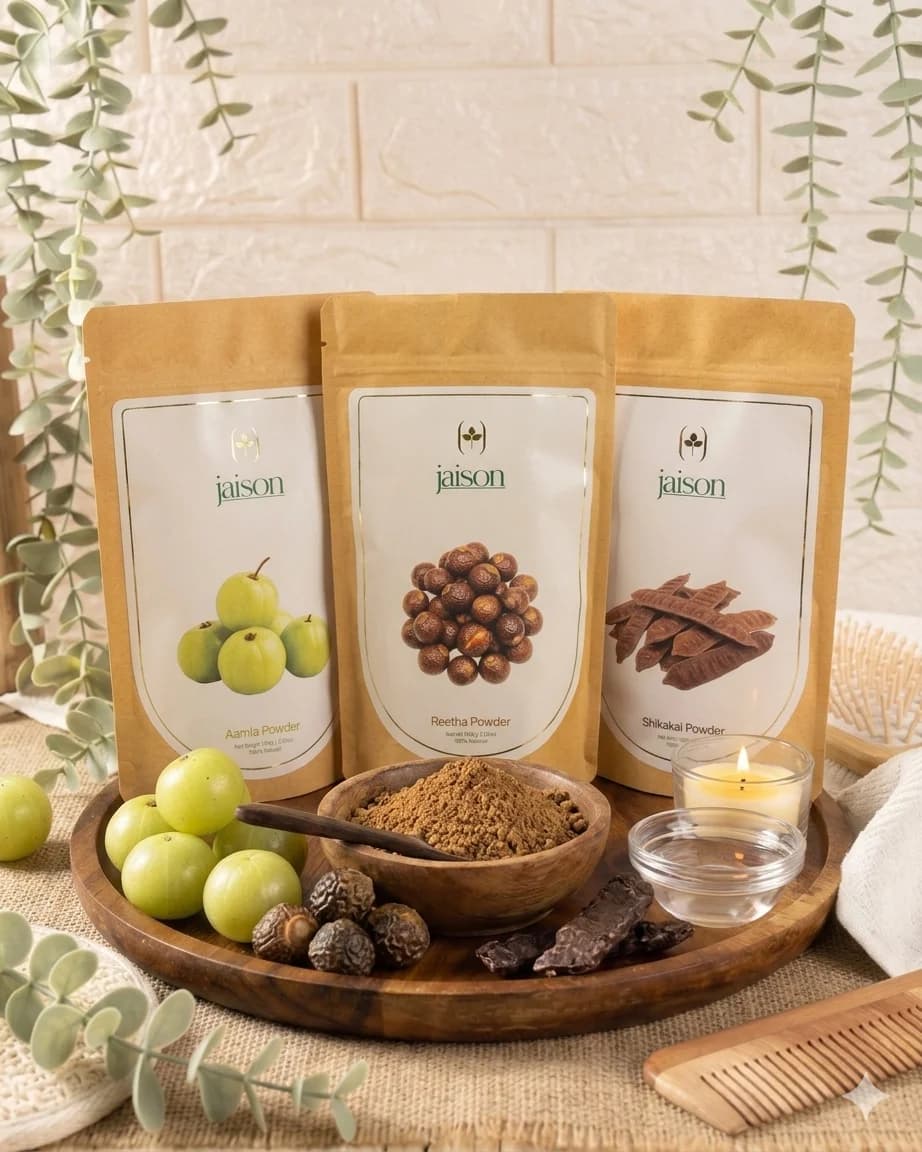
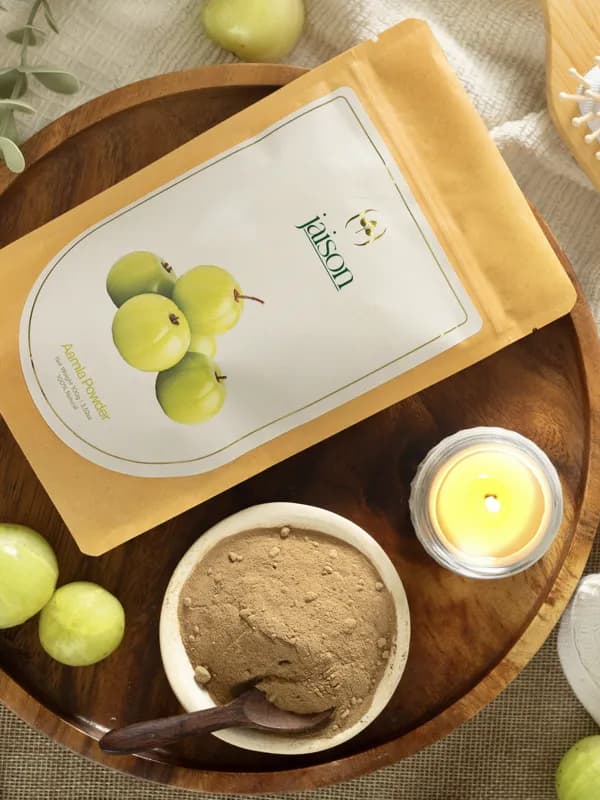
Use both with amla for the classic combination: reetha for foam, shikakai for gentle cleansing and amla for conditioning and shine. Mix 1 tablespoon of each with warm water into a paste, massage in for 2-3 minutes, leave 10-15 minutes and rinse. The Hair Care Trio packs all three, and our full hair wash guide explains the method.
Tips for Washing with Natural Powders
- ●Use lukewarm or warm water for a smooth paste with no lumps
- ●Massage the scalp, not only the lengths
- ●Rinse thoroughly: leftover powder can leave residue
- ●Give your hair a few washes to adjust after chemical shampoos
Frequently Asked Questions
Which produces more lather, reetha or shikakai?
Reetha produces more lather. Shikakai produces only a little, but it still cleanses gently.
Is shikakai better than reetha?
Neither is better for everyone. Reetha suits an oily scalp and a shampoo-like wash, while shikakai suits dry or frizzy hair and a gentler, conditioning wash.
Can I use reetha and shikakai together?
Yes. They are traditionally combined with amla powder for a complete hair wash.
How often can I wash my hair with them?
Once or twice a week is a good starting point for shikakai, and reetha can be used as often as you would normally wash, adjusting to how your scalp feels.
Do reetha and shikakai replace shampoo?
Many people use them as a complete herbal hair wash. They lather less than shampoo, so expect a different feel.
Learn more about each herb in reetha for hair and amla powder for hair growth.
Shop the Ingredients
The herbs from this article, sourced and processed for your ritual.