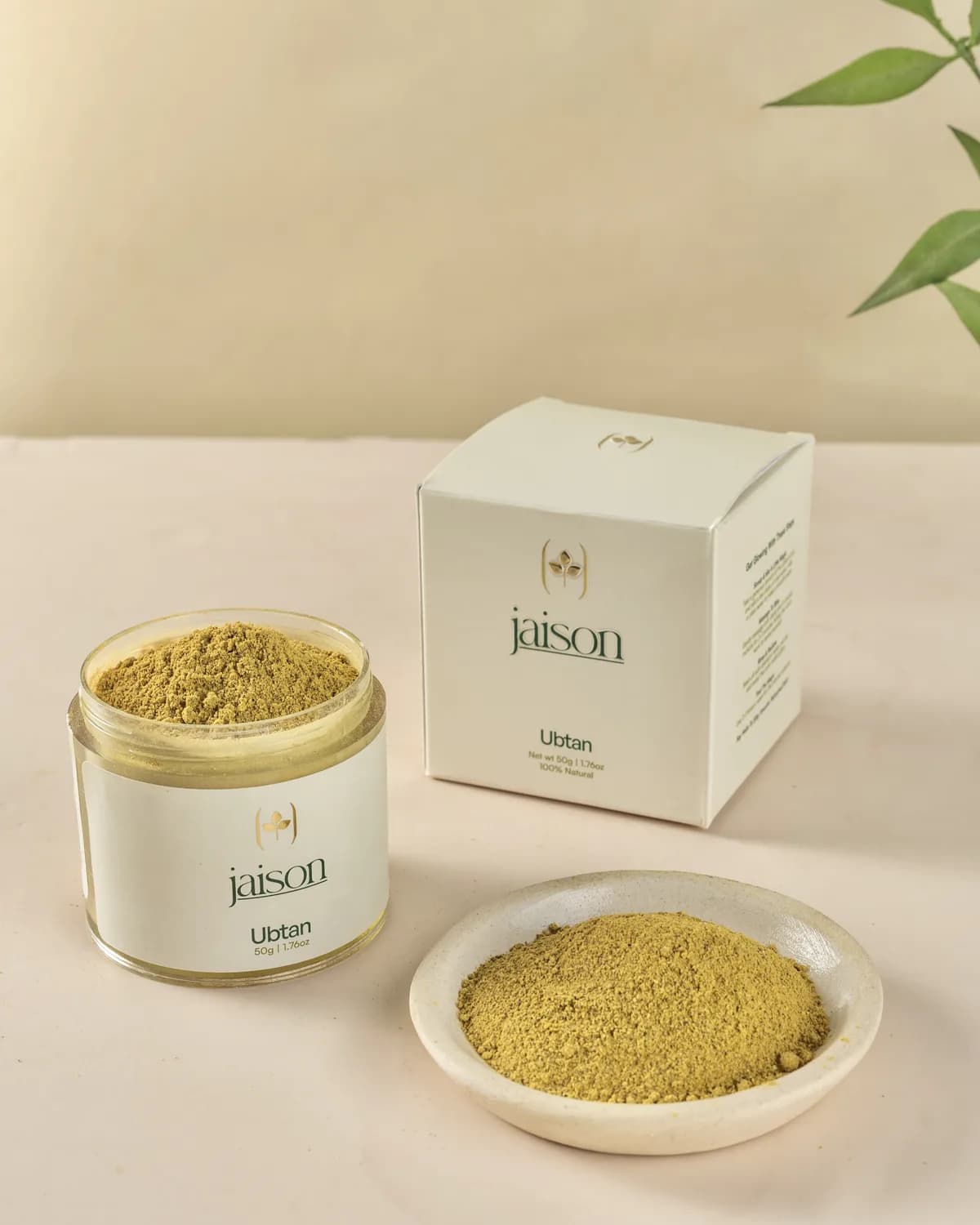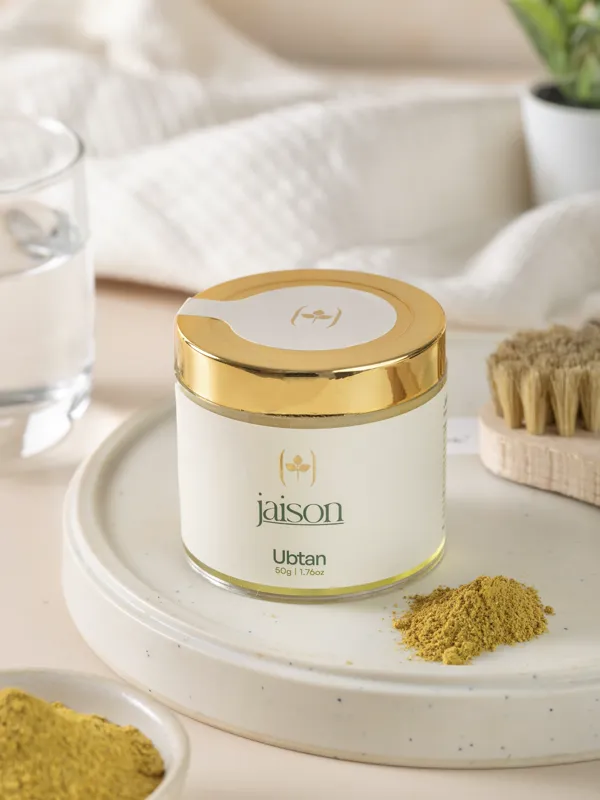
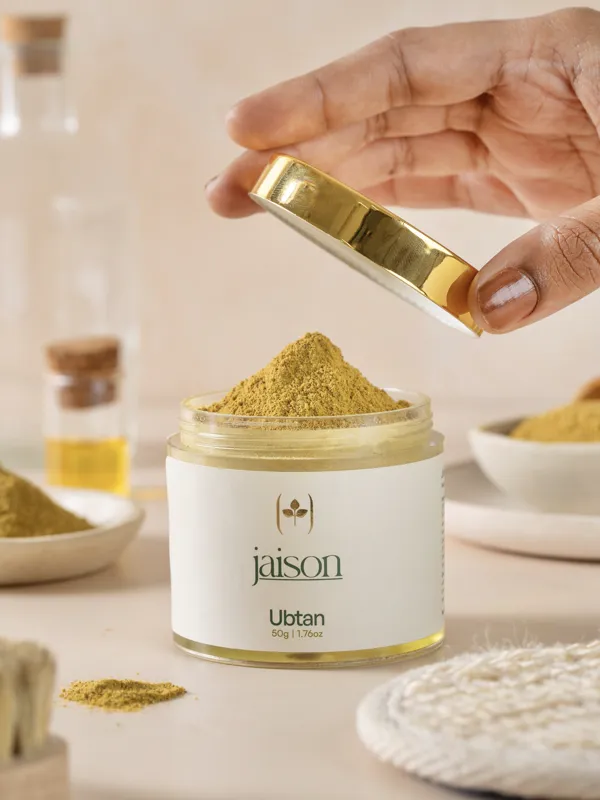
Ubtan is not one-size-fits-all. The powder stays the same, but what you mix it with, how long you leave it on and how often you use it should change with your skin. Here is how to adjust it.
Key Takeaways
- ●Oily skin: mix with rose water, use up to 3 times a week
- ●Dry skin: mix with milk, keep it short, use 1-2 times a week and moisturise
- ●Sensitive skin: patch test, no hard scrubbing, start once a week
- ●For tan and pigmentation, consistency and daily sunscreen matter more than any recipe
The base is simple: take a generous amount of ubtan powder and mix it with a liquid into a smooth paste. Apply to clean, damp skin, massage gently for 2-3 minutes and rinse with lukewarm water.
Ubtan for Oily Skin
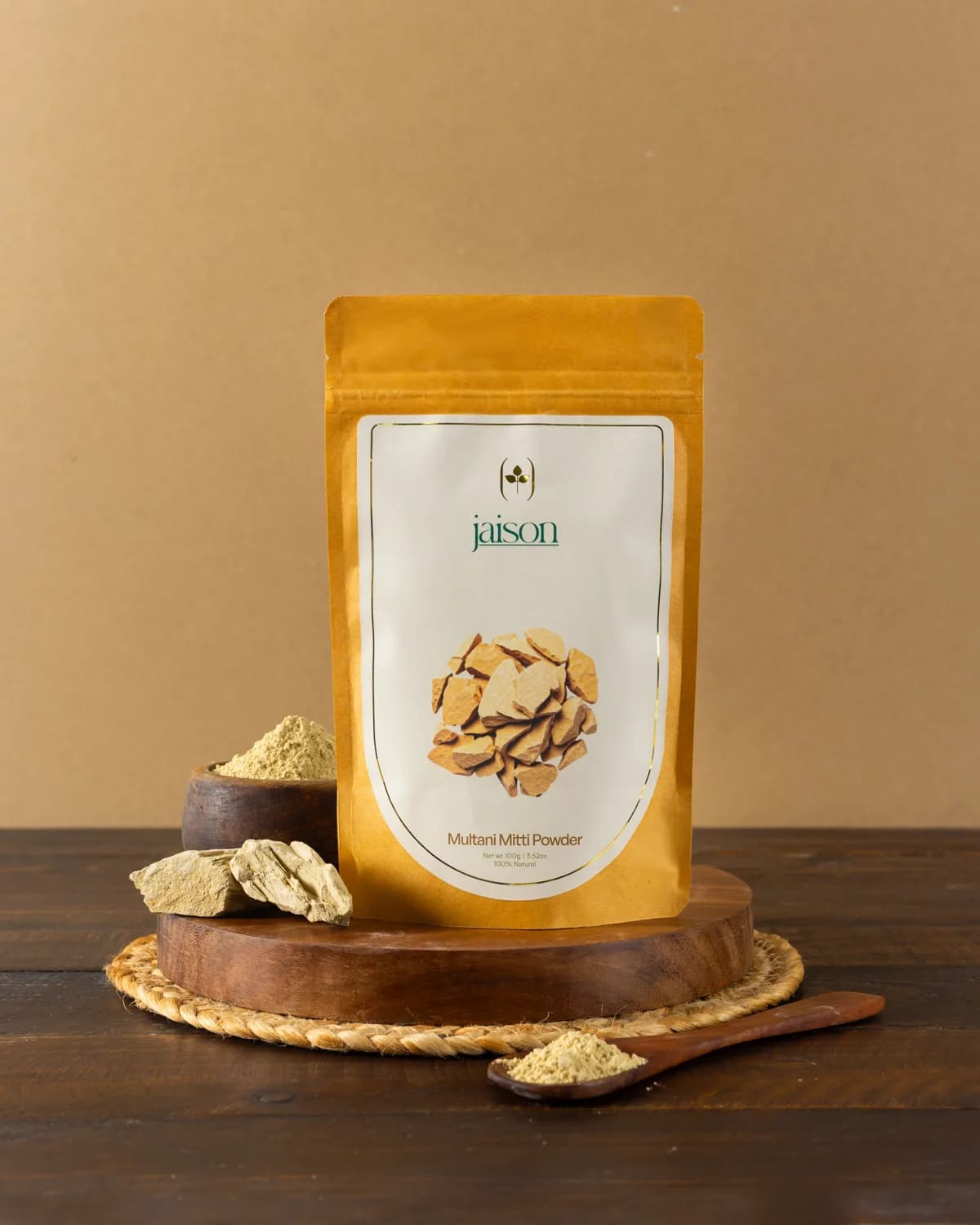
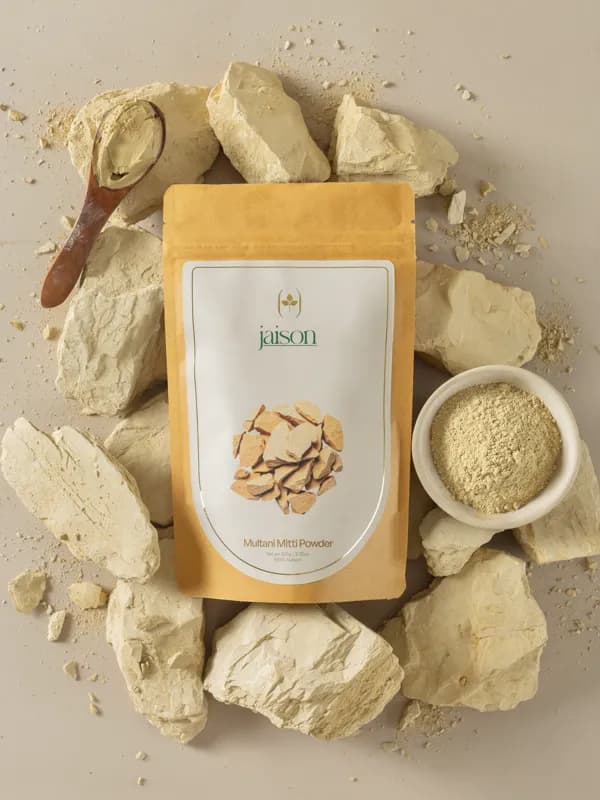
Mix with rose water. Ubtan already contains Multani Mitti, which absorbs oil and cleanses pores, and astringent herbs like Nagarmotha. Oily skin usually tolerates ubtan up to three times a week. If your skin feels tight afterwards, move back to twice a week and moisturise with something light. Adding a little yogurt is a traditional option for oily and acne-prone skin.
Ubtan for Dry Skin
Mix with milk instead of water. Milk makes the paste gentler. Keep the application short, use it once or twice a week and moisturise straight after rinsing. If your skin feels dry or flaky, reduce the frequency before changing anything else.
Ubtan for Sensitive Skin
Do a patch test on your inner arm first and wait 24 hours. Use rose water as the liquid, skip hard scrubbing and keep the paste on for a short time. Start with once a week. Stop using it if you notice redness, itching or stinging.
Ubtan for Tan
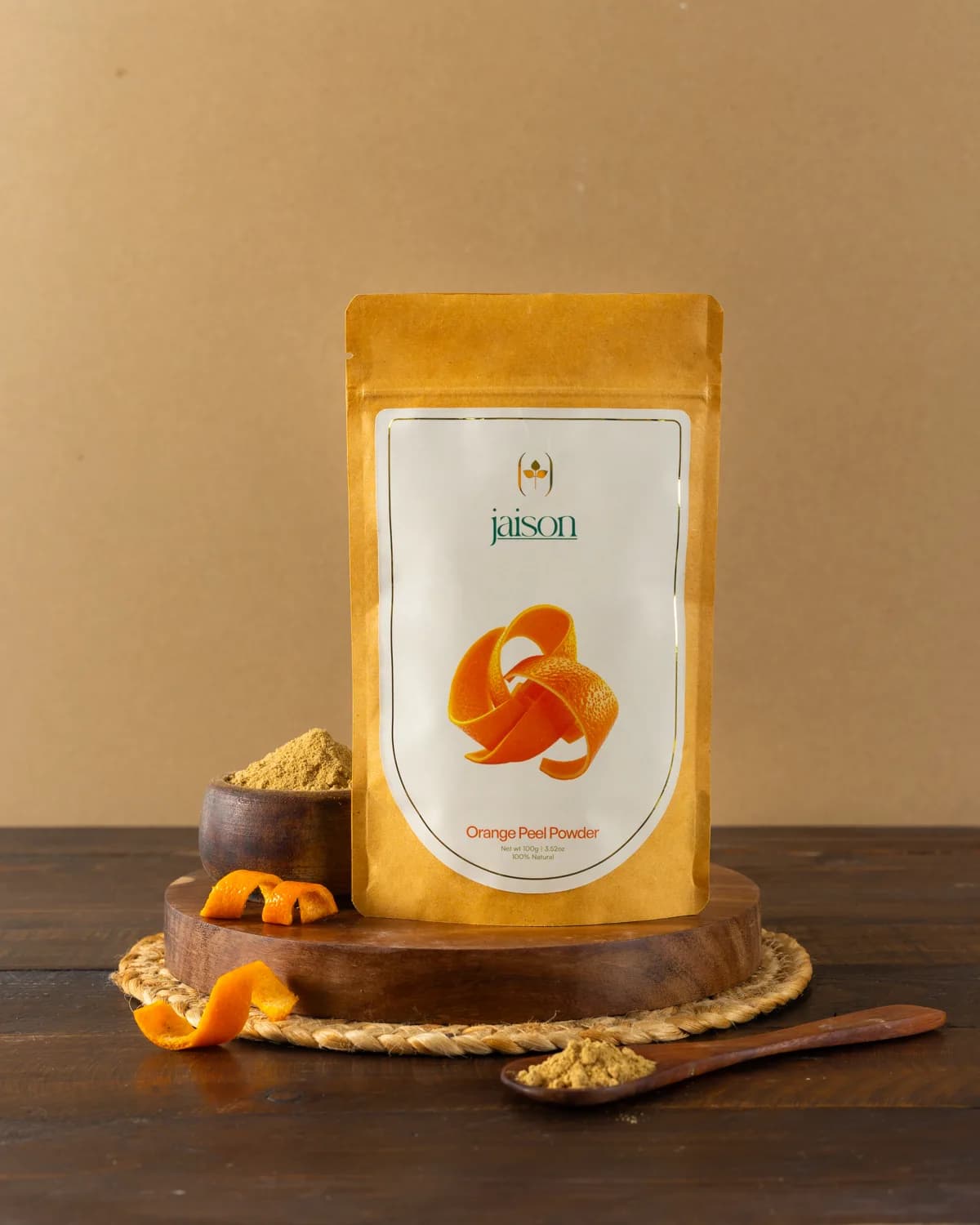
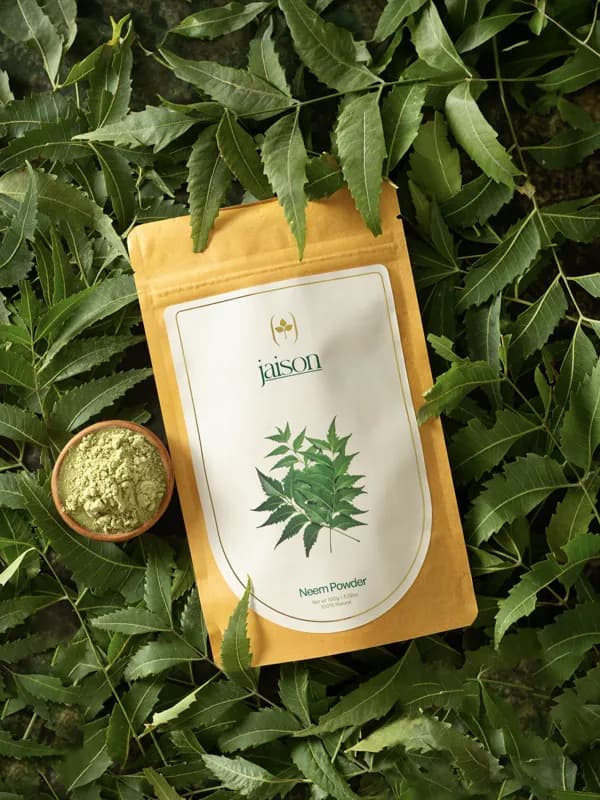
Tan sits on the surface, and ubtan's gentle exfoliation helps lift it. Apply the paste on tan-prone areas like the face, neck, arms, knees and elbows. Use it 2-3 times a week, and wear sunscreen every day. Without sunscreen the tan returns. Tomato juice is a traditional addition for tan, mentioned in our ubtan guide. Orange peel is another tan-friendly herb: see orange peel powder for face.
Ubtan for Pigmentation and Dark Spots
Kachora, Nagarmotha and orange peel are traditionally used for the look of uneven tone, and exfoliation helps skin look more even over time. Be realistic: ubtan is a gentle, gradual routine and not a treatment for medical pigmentation. Be patient, use sunscreen, and see a dermatologist for stubborn or sudden dark patches.
Common Mistakes
- ●Using it every day on dry or sensitive skin
- ●Scrubbing hard on a dry paste
- ●Skipping the patch test
- ●Storing mixed paste for later instead of making it fresh
- ●Skipping sunscreen after exfoliating
Frequently Asked Questions
Is ubtan good for oily skin?
Yes. Ubtan contains oil-absorbing Multani Mitti and astringent herbs. Mix it with rose water and use up to three times a week.
Can I use ubtan on dry skin?
Yes, with adjustments. Mix with milk, use it once or twice a week and moisturise afterwards.
Is ubtan safe for sensitive skin?
Many people with sensitive skin use it gently, but patch test first, use rose water, skip hard scrubbing and start once a week. Stop if there is irritation.
Can ubtan remove tan?
It helps lift surface tan through exfoliation, but you need daily sunscreen to keep it from returning.
Can ubtan lighten pigmentation?
Regular gentle use can help skin look more even, but ubtan is not a medical treatment. See a dermatologist for persistent pigmentation.
Read the full what is ubtan guide or shop ubtan powder to get started.
Shop the Ingredients
The herbs from this article, sourced and processed for your ritual.