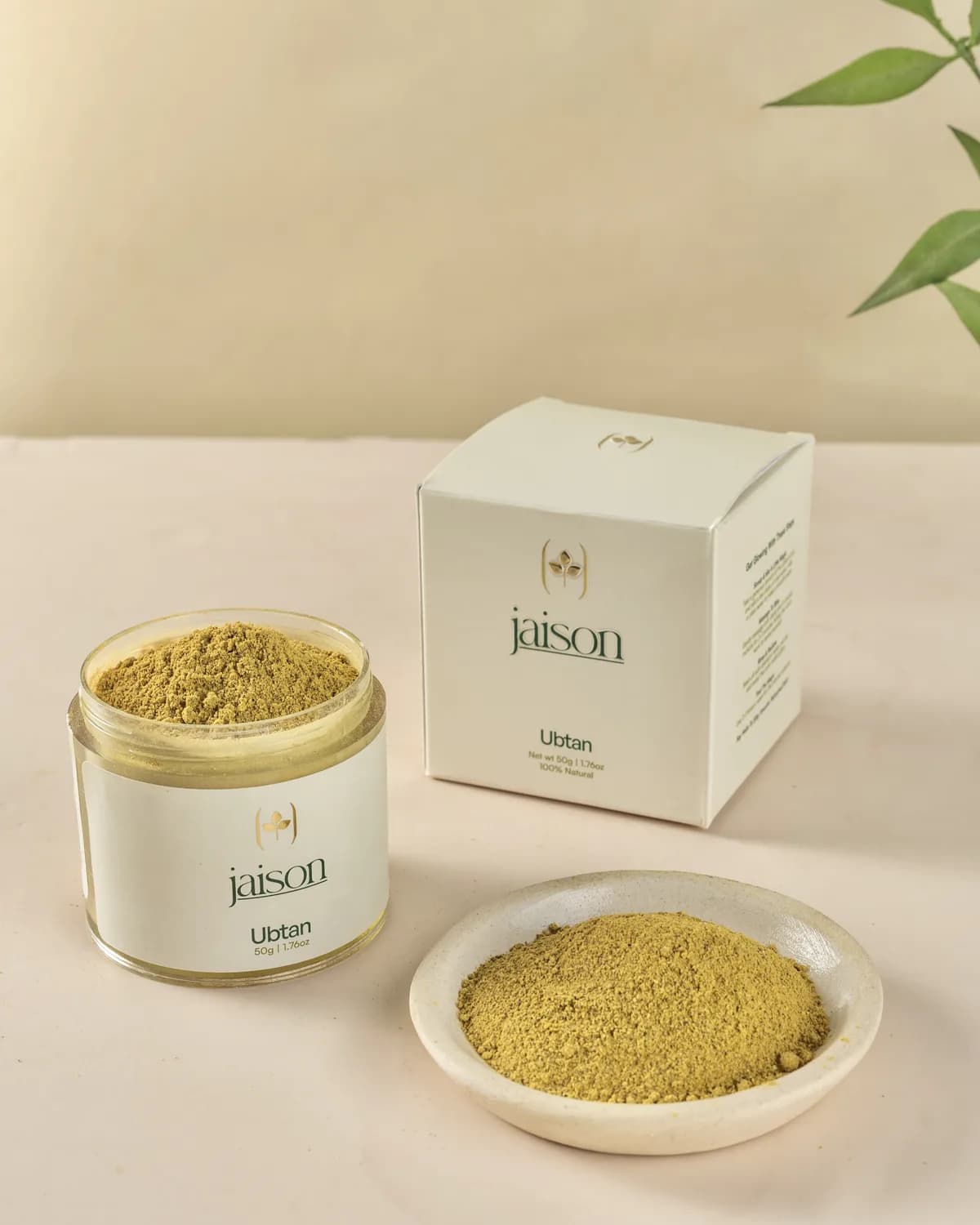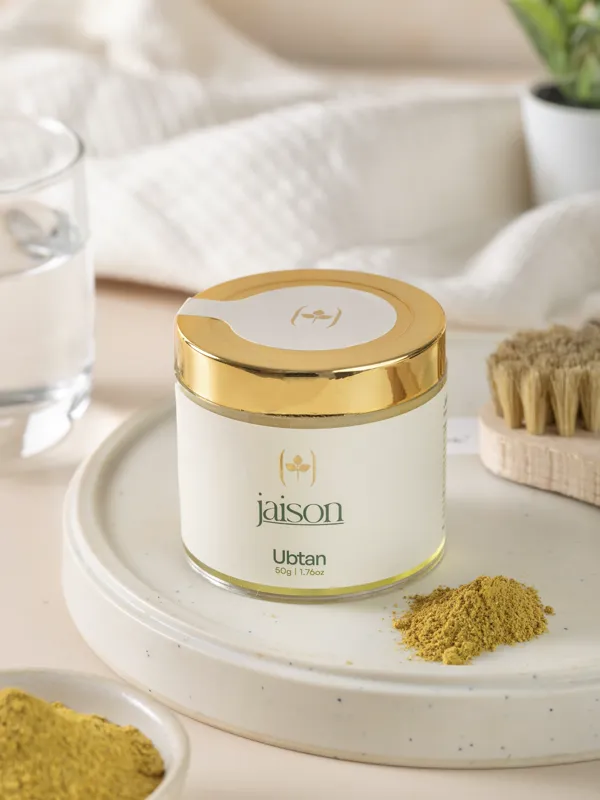
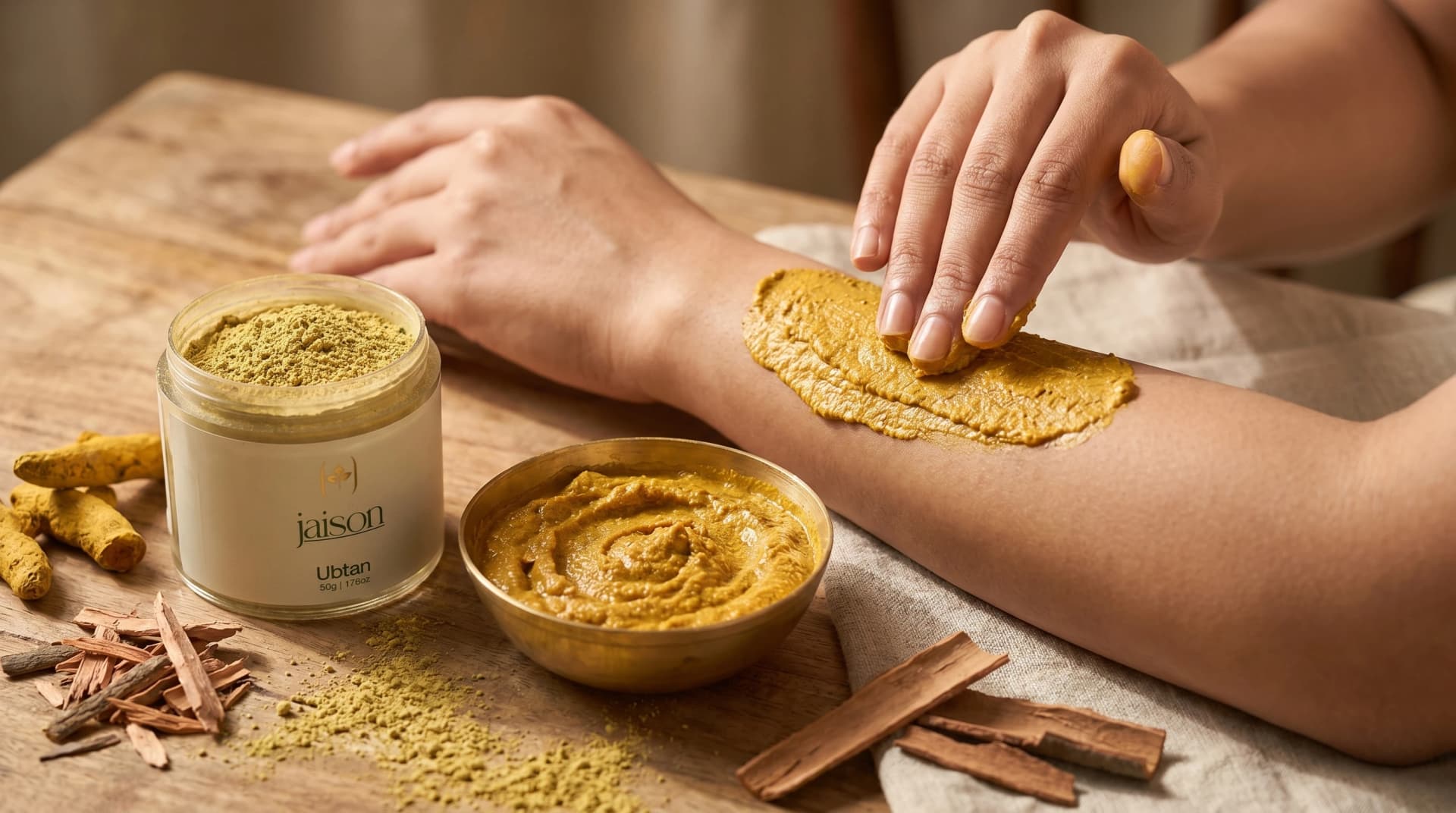
Ubtan is a traditional Indian herbal paste, made from a blend of dried roots, herbs, flowers and clay, that is rubbed over the face and body to cleanse, exfoliate and brighten the skin. It has been used for centuries as a pre-bath ritual and is best known as the beauty ritual brides follow before a wedding.
Key Takeaways
- ●Ubtan comes from the Sanskrit udvartana, meaning to rub upwards: a herbal body and face scrub
- ●A good ubtan lists every herb on the label. Jaison's ubtan powder uses 17
- ●It exfoliates, so use it 2-3 times a week and pair it with sunscreen
- ●Ubtan brightens and evens the look of skin. It does not change your natural skin colour
Ubtan Meaning
The word ubtan (also spelled utna or uptan) comes from the Sanskrit udvartana. In Ayurvedic tradition it describes a dry herbal paste massaged onto the body, usually before bathing. Over time the word came to mean the powder blend itself, and "ubtan powder" is what most people now search for and buy.
What Is Ubtan Made Of?
There is no single recipe. Every family and region has its own, but most traditional ubtans combine three kinds of ingredients:
- ●Aromatic roots and rhizomes such as Kachora (white turmeric), Nagarmotha and Khus, traditionally used for brightening and a cooling, cleansing feel
- ●Peels and fruits such as orange peel and lemon peel, a natural source of Vitamin C, plus Haritaki and Baheda
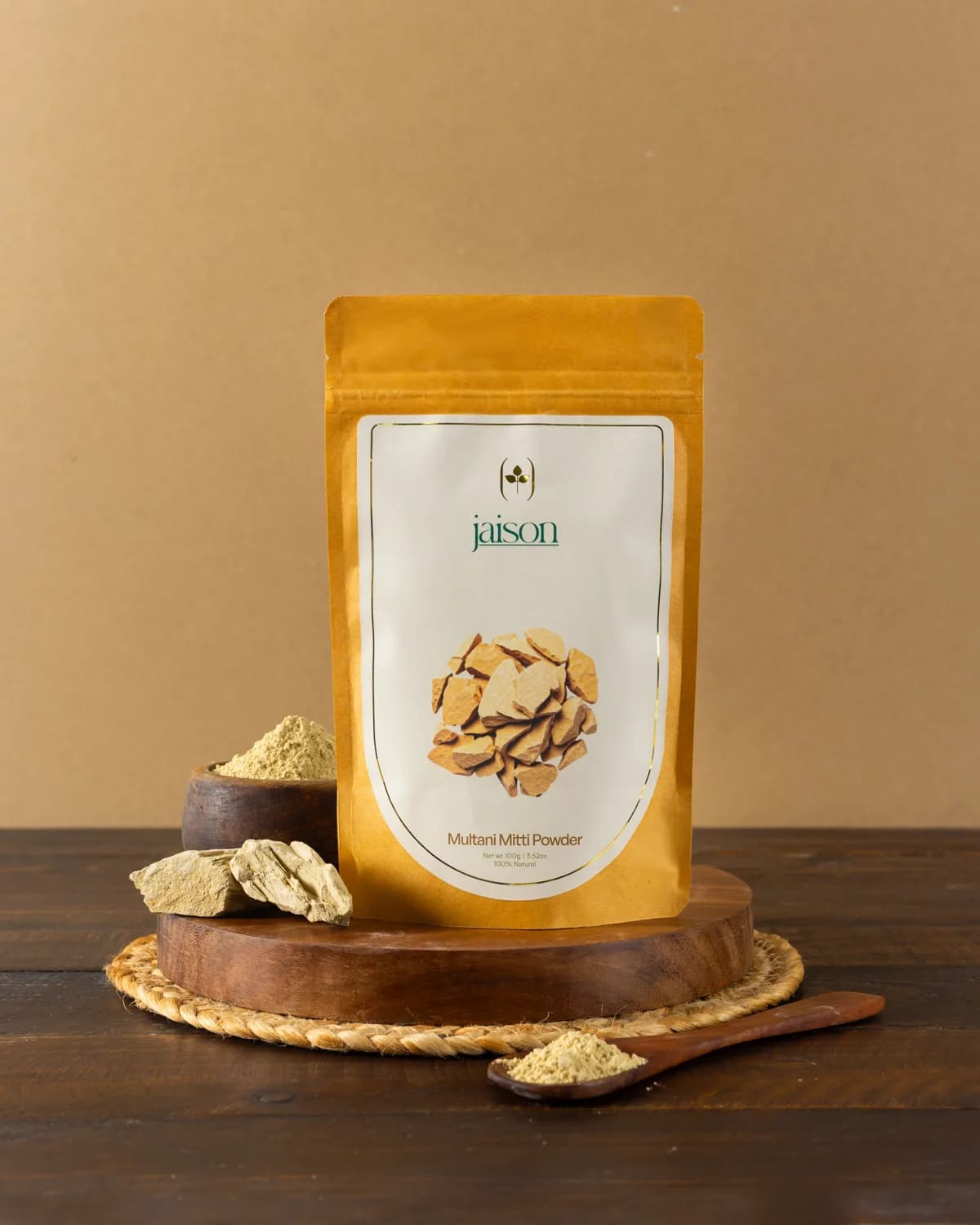
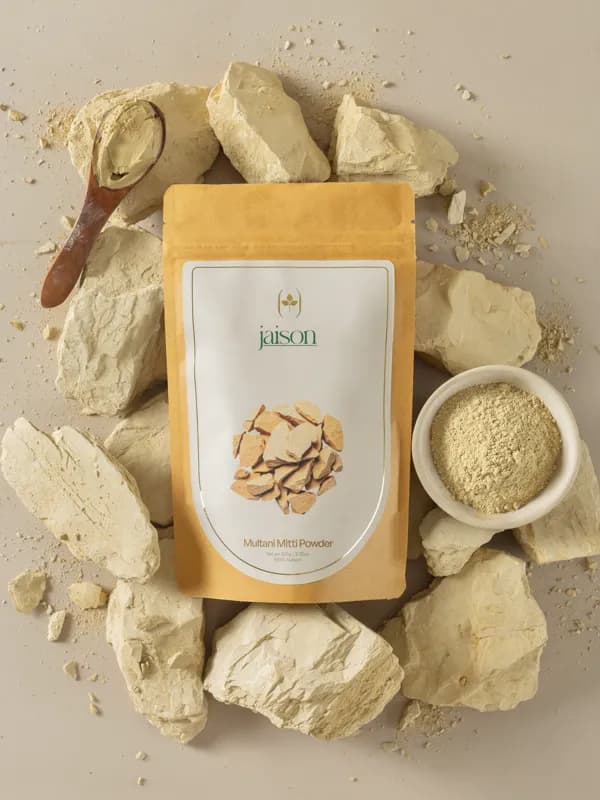
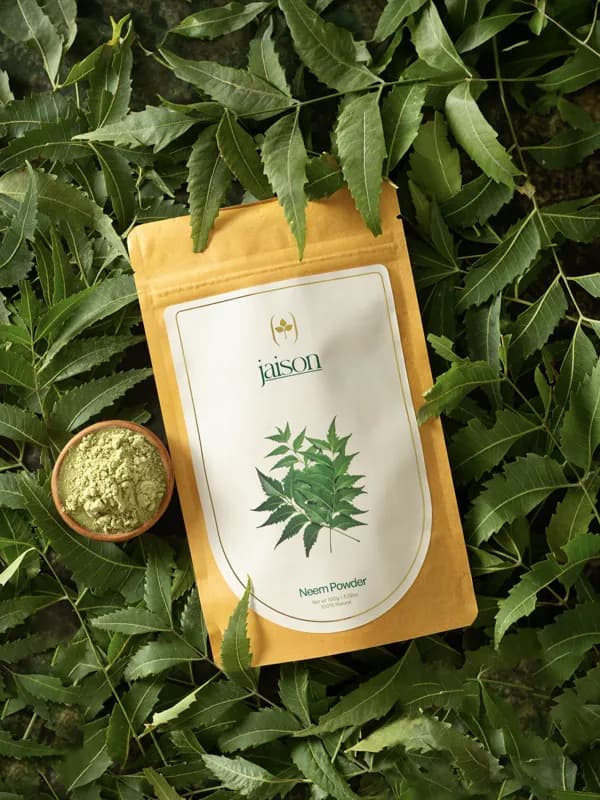
- ●Clay and soothing herbs such as Multani Mitti, Neem, Tulsi and Aloe vera, used to absorb oil and calm skin
Jaison's ubtan follows this pattern with 17 ingredients, all printed on the label with their percentages: Kachora, Nagarmotha, Orange Peel, Bakuchi, Multani Mitti, Amba Haldi, Baheda, Lemon Peel, Haritaki, Haldi, Aloe vera, Khus, Neem, Tulsi, Gulab Kali, Amla and Kapoor Kachri.
Ubtan Benefits for Skin
Gentle exfoliation. The fine herbal powder lifts away dead skin cells, and Haritaki contributes natural fruit acids, which leaves skin smoother.
A brighter, more even look. Kachora, Nagarmotha and orange peel are traditionally used for dullness and the look of uneven tone.
Tan reduction. Regular use, with daily sunscreen, helps lift surface tan from the face, neck and arms.
Deep cleansing. Multani Mitti draws out oil and impurities without stripping the skin the way many soaps do.
A calming ritual. Neem, Tulsi and Haldi are traditional soothing herbs.
Results vary with skin type and how regularly you use it. Most people notice smoother, brighter skin within a few weeks. For a step-by-step guide, see how to use ubtan for glowing skin.
How Ubtan Differs from a Face Pack or Scrub
A clay face pack mainly absorbs oil. A commercial scrub relies on abrasive beads or synthetic ingredients. Ubtan sits in between: a multi-herb blend that cleanses, exfoliates gently and brightens in one step, and it works on the body as well as the face. You can add a spoon of multani mitti if you want extra oil control.
How to Choose a Good Ubtan Powder
- ●A full ingredient list. The herbs should be named, ideally with percentages. Avoid vague labels like "herbal extract".
- ●No added fragrance or colour. A real ubtan smells earthy and aromatic, not perfumed.
- ●A fine, even texture. It should mix into a smooth paste without gritty lumps.
- ●Fresh and sun-dried. Look for brands that state how the herbs are dried and processed.
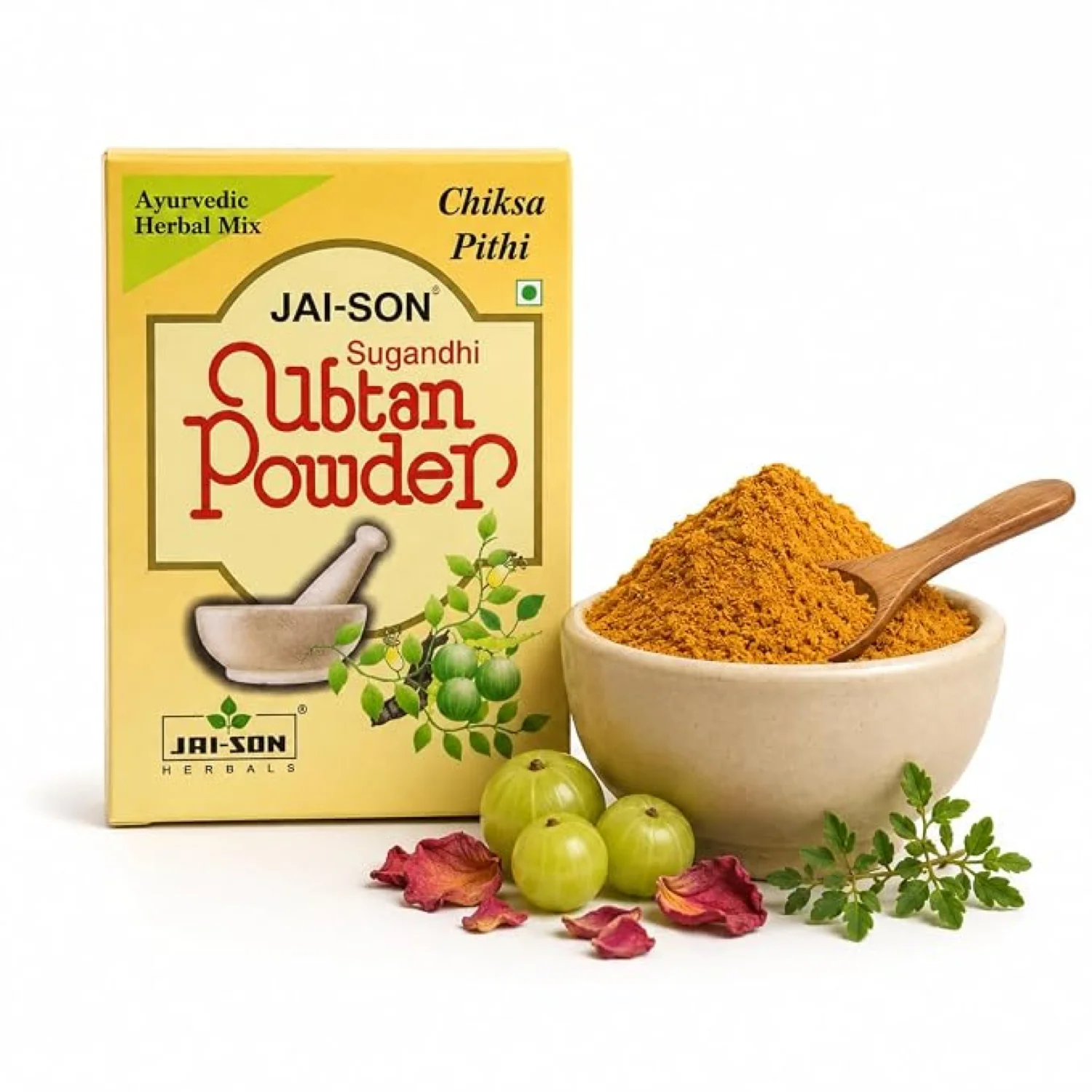
If you want a lightly fragranced option mainly for the body, Jaison also makes Sugandhi Ubtan Powder.
How to Use Ubtan Powder
Mix a generous amount with rose water, milk or plain water into a smooth paste. Apply to clean, damp skin, massage gently for 2-3 minutes, then rinse with lukewarm water. Use 2-3 times a week. Always patch test first, make a fresh paste each time, and wear sunscreen afterwards.
Frequently Asked Questions
What is ubtan powder used for?
Ubtan powder is used as a weekly face and body scrub to cleanse, exfoliate and brighten skin, and to help lift surface tan.
What does the word ubtan mean?
Ubtan comes from the Sanskrit udvartana, meaning a herbal paste rubbed onto the body. Today it refers to the traditional herbal powder used for this ritual.
Is ubtan the same as besan or haldi?
No. Besan (gram flour) and haldi (turmeric) are single ingredients that are sometimes used in homemade ubtan. A proper ubtan powder is a blend of many herbs and clay.
Can I use ubtan every day?
2-3 times a week is recommended. Oily skin can sometimes handle more, but dry or sensitive skin should use it once or twice a week because ubtan exfoliates.
Does ubtan make skin fairer?
No. It does not change your natural skin colour. It removes dead cells and surface tan so skin looks brighter and clearer.
Ready to try it? Shop Jaison's ubtan powder, and read our Ayurvedic skincare routine for beginners to see where it fits.
Shop the Ingredients
The herbs from this article, sourced and processed for your ritual.